Books like Oh, Mary!
Each of these novels charges past the velvet rope around respectable history and good taste, then commandeers the spotlight with a wig slightly askew.
If you liked Oh, Mary!, you’ll love these
Not lookalikes — kindred books. Each one shares something essential with Oh, Mary!, and we tell you exactly what.
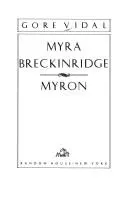
Like Cole Escola, Vidal understands that camp becomes explosive when delivered with absolute conviction. Myra arrives at a Hollywood acting academy determined to remake American sexuality, narrating her campaign with the grandeur of an empress and the instincts of a demolition crew.
Its 1968 sexual politics are intentionally abrasive and sometimes dated, but the novel remains a landmark of queer satire: vain, theatrical, indecent, and gleefully hostile to respectable national myths. If Mary Todd Lincoln’s unshakable belief in her own star quality delighted you, Myra’s imperial self-invention is essential reading.
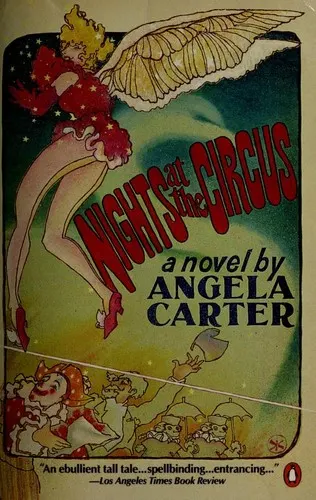
Sophie Fevvers is a celebrated aerialist who claims to have wings—and Carter wisely treats the question of whether she is miracle, fraud, or both as less important than the magnificent performance itself. From its opening interview in a champagne-cluttered dressing room, the novel turns history into a bawdy backstage spectacle.
Winner of the James Tait Black Memorial Prize and now among Carter’s most beloved works, it combines extravagant jokes, feminist mischief, grotesque bodies, and lush theatrical prose. It shares Oh, Mary!’s deepest comic faith: if official history will not accommodate an outrageous woman, she can simply overwhelm it.
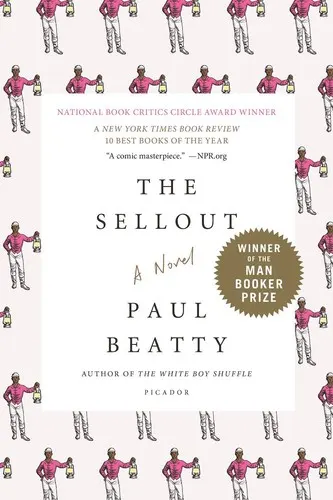
The opening places its narrator before the United States Supreme Court, smoking marijuana and facing charges so preposterous that the country’s entire civic mythology immediately begins to wobble. Beatty keeps pushing from there, building jokes whose audacity is matched by their unnerving precision.
This was the first American novel to win the Booker Prize, but its real distinction is its refusal to become dutiful or decorous while confronting American history. Like Oh, Mary!, it makes taboo-breaking farce into a weapon: every supposedly sacred institution is exposed as theater, and every escalation is funnier because the voice never blinks.