Books like Myra Breckinridge
—because the real thrill is Vidal’s combination of outrageous self-invention, sexual provocation, movie-fed fantasy, and satire sharp enough to implicate the reader. These three novels take that dangerous comic energy in distinct directions.
If you liked Myra Breckinridge, you’ll love these
Not lookalikes — kindred books. Each one shares something essential with Myra Breckinridge, and we tell you exactly what.
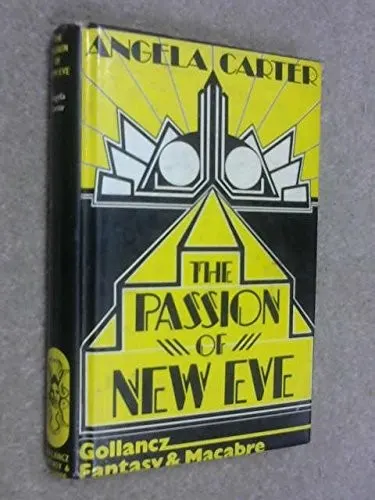
Carter treats gender, desire, and American mythology as extravagant theatrical productions—then tears down the scenery. Her feverish, intellectually combative prose shares Vidal’s pleasure in turning sexual identity into both weapon and performance, while her grotesque humor makes every symbol indecently literal.
Now regarded as a landmark of feminist speculative fiction, the novel is not a dutiful “response” to patriarchal fantasy but a riotous counterattack. If Myra’s collision of Hollywood dreams, bodily politics, and baroque rhetoric exhilarated you, Carter’s more hallucinatory assault is essential.
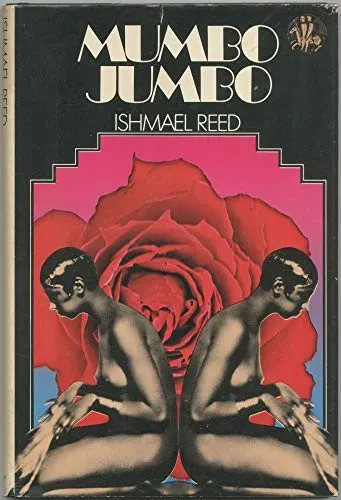
Read this for the anarchic intelligence behind Myra Breckinridge: the sense that respectable history is merely propaganda with better tailoring. Reed’s novel mixes detective fiction, historical parody, fake documents, photographs, footnotes, and wild digressions into a campaign against cultural gatekeepers.
A National Book Award finalist and enduring countercultural classic, Mumbo Jumbo remains astonishingly alive on the page. Reed does not simply ridicule American myths; he invents a form too unruly for those myths to contain. Vidal’s taste for learned jokes, pop detritus, and cheerful sacrilege finds a formidable companion here.
Darryl’s narrator is a suburban husband who explains his erotic humiliations with such guileless enthusiasm that confession becomes comedy, self-mythology, and trap. Like Myra, he commands attention not by being trustworthy but by making his private logic irresistibly coherent. Every bland phrase opens onto another abyss of desire, insecurity, or social performance.
Ess brings Vidal’s fascination with unstable identities and compromised narrators into the internet age, replacing old Hollywood’s glamour machine with online subcultures and therapeutic language. This small-press cult favorite is painfully funny, unnervingly tender, and impossible to read from a safe moral distance—the rare contemporary novel bold enough to make transgression feel strange again.