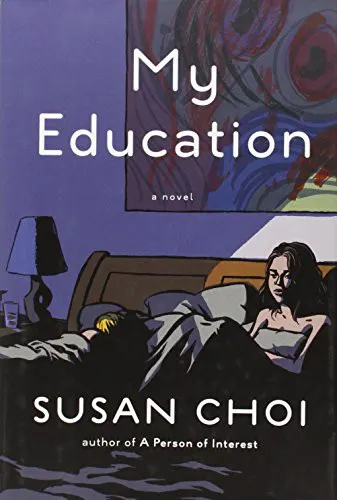
Books like My Education
Jeanette Winterson makes erotic obsession sound like an incantation; Megan Nolan dissects it with a scalpel. Elif Batuman, cooler and funnier, captures the bewilderment of discovering that an education in ideas offers almost no preparation for desire.
If you liked My Education, you’ll love these
Not lookalikes — kindred books. Each one shares something essential with My Education, and we tell you exactly what.
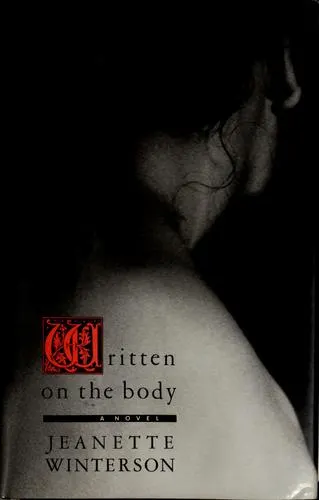
Winterson’s unnamed, ungendered narrator falls catastrophically in love with Louise, a married woman, and addresses the affair in prose that is at once cerebral, carnal, and rapturous. Like My Education, the novel understands adultery not as a tidy moral problem but as an altered state: desire reorganizes time, language, and the lover’s sense of self.
Published in 1992, Written on the Body has become a modern touchstone of queer literature because its formal daring never cools its emotional heat. Winterson writes the beloved’s body as anatomy, landscape, and sacred text. If Choi’s combination of intellectual precision and erotic recklessness enthralled you, this short, inexhaustible novel is essential.
Nolan begins with a young woman recalling the beautiful, withholding man around whom she once built her life. What follows is a merciless account of romantic fixation: the surveillance, bargaining, self-dramatization, and voluntary humiliations through which desire becomes a system of control.
Where Choi explores how intelligent people misunderstand their own motives, Nolan goes further into the shame of knowing better and behaving disastrously anyway. Her narrator is unsparing about herself without pretending that self-awareness is the same as freedom. Hailed on publication as one of the sharpest recent novels about toxic love, Acts of Desperation has the dangerous intimacy of a confession you recognize more than you want to.
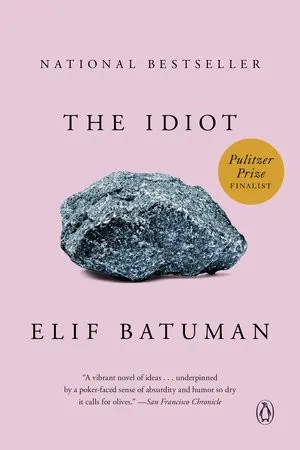
Selin arrives at Harvard in 1995 equipped with formidable intelligence and almost no understanding of how life is supposed to work. An enigmatic email correspondence with an older student becomes her education in the enormous gap between language and intention.
The Idiot shares My Education’s gift for making academic life both intellectually serious and exquisitely absurd. Batuman’s comedy is drier and her erotic temperature lower, but she is equally fascinated by the stories young people tell themselves while experience is quietly acquiring lifelong significance. A Pulitzer Prize finalist with fiercely devoted readers, this is one of the finest novels about becoming a person before you possess the vocabulary to explain what is happening to you.