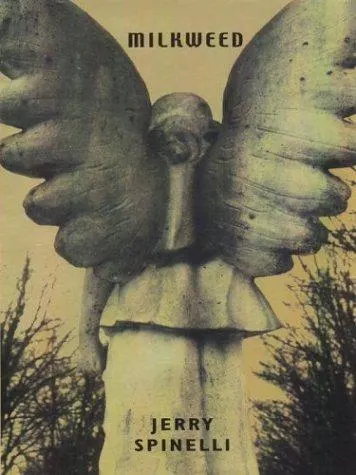
Books like Milkweed
Tenderness survives beside terror; children invent families, names, and stories when the adult world has failed them.
If you liked Milkweed, you’ll love these
Not lookalikes — kindred books. Each one shares something essential with Milkweed, and we tell you exactly what.
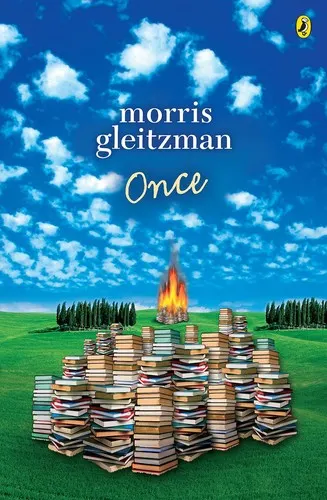
Felix, a Jewish boy in Nazi-occupied Poland, interprets danger through the stories he tells himself. Like Misha, he is trusting without being foolish, and the distance between what he understands and what the reader understands makes every page ache.
Gleitzman’s plain, swift prose leaves cruelty undescribed just long enough for imagination to supply it, while Felix’s loyalty and resourcefulness keep the novel from becoming merely bleak. The first in a widely loved series, Once is one of the rare books that speaks to young readers without softening history—and to adults without abandoning a child’s vision.
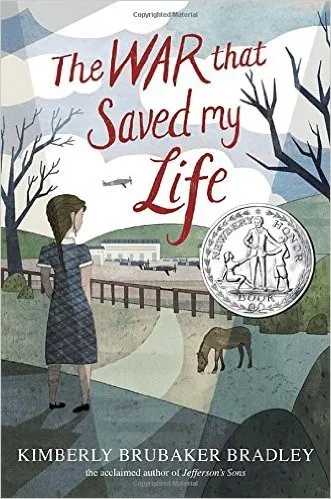
Ada has spent her childhood hidden away and taught to think of herself as worthless. When wartime evacuation gives her an unexpected escape, she must learn not only how to survive but how to accept kindness.
A reader who loved Milkweed’s search for identity and improvised family will recognize the emotional stakes here. Bradley makes small freedoms—a pony ride, a meal, a room of one’s own—feel momentous. This Newbery Honor novel has inspired fierce reader devotion because its hope is never cheap: Ada’s wounds remain real, so every step toward trust feels triumphantly earned.
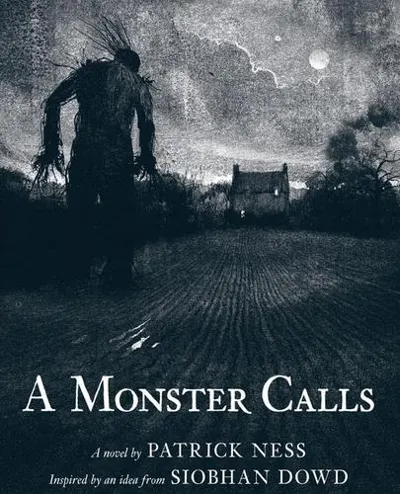
Conor is visited after midnight by a monster who promises him three stories—and demands a fourth in return. Beneath that fairy-tale opening lies a piercing novel about fear, grief, and the unbearable truths children sometimes carry alone.
What connects it to Milkweed is its moral honesty. Ness refuses easy divisions between courage and cowardice, love and anger, innocence and knowledge. Inspired by an idea from Siobhan Dowd and illustrated hauntingly by Jim Kay, it became the first book to win both the Carnegie Medal and the Kate Greenaway Medal. Brief, beautiful, and emotionally exact, it is the kind of novel readers finish altered.