Books like Mary, Mary, Quite Contrary
When the hoped-for Tudor heir proves to be a daughter, Mary enters the royal nursery already burdened by other people’s disappointment. These novels likewise turn dynastic history into intimate, emotionally absorbing lives.
If you liked Mary, Mary, Quite Contrary, you’ll love these
Not lookalikes — kindred books. Each one shares something essential with Mary, Mary, Quite Contrary, and we tell you exactly what.
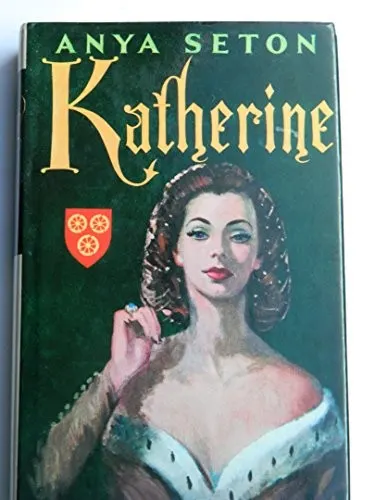
Seton shares the gift for making royal history feel personal rather than predetermined. Her Katherine begins as a young gentlewoman with little control over her position, yet Seton gives full weight to her desires, compromises and growing self-possession.
First published in 1954, Katherine remains one of historical fiction’s most passionately cherished classics. Its richly inhabited medieval world and immense emotional pull make it the natural next book for anyone who found Mary’s private life more compelling than the familiar verdicts of history.
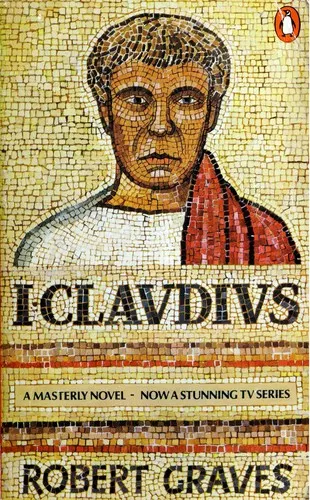
Here, too, a vulnerable child inside a terrifying ruling family becomes the key to understanding an empire. Claudius’s physical disabilities lead his relatives to dismiss him, while his sly, observant narration exposes the humiliations, appetites and domestic grudges behind official history.
Winner of both the James Tait Black Memorial Prize and the Hawthornden Prize, Graves’s novel is erudite without ever ceasing to be deliciously readable. Its great trick is to make imperial politics feel like poisonous family gossip—and family gossip feel consequential enough to reshape the world.
O’Farrell opens with sixteen-year-old Lucrezia de’ Medici convinced that her husband intends to kill her, then draws us fiercely close to the imaginative girl hidden beneath the ceremonial portrait. Like Mary, Lucrezia is valued as a dynastic instrument while struggling to preserve an inward self that court ritual cannot quite extinguish.
The prose is sensuous and immediate: pigments, fabrics, animals and oppressive rooms become part of Lucrezia’s consciousness. O’Farrell transforms a figure reduced by history to a marriage and a death into someone startlingly alive; leaving her unread would feel like allowing the official portrait to silence her all over again.