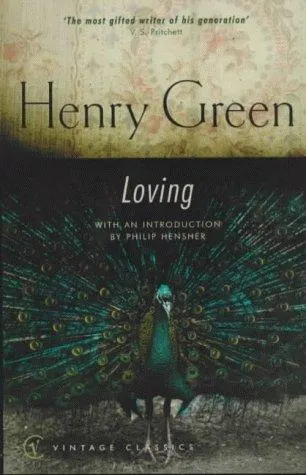
Books like Loving
—because what lingers is Green’s miraculous combination of verbal comedy, social tension, and feelings that become more powerful the less directly they are named, these three come closest to the same pleasure.
If you liked Loving, you’ll love these
Not lookalikes — kindred books. Each one shares something essential with Loving, and we tell you exactly what.
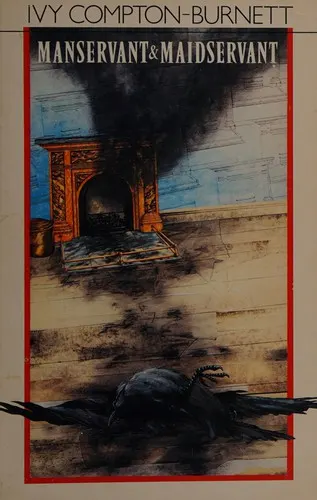
A tyrannical Victorian father presides over children and servants, but the real action occurs in conversation: every polished sentence is a feint, accusation, rebellion, or bid for power. Like Green, Compton-Burnett makes hierarchy audible. Servants understand their employers better than employers understand themselves, while children speak with the lethal precision of diplomats.
Green greatly admired Compton-Burnett, and the kinship is unmistakable, though her style is even more radically stripped down: almost nothing but dialogue, with emotion forced into pauses and evasions. Her devoted reputation as a novelist’s novelist rests on this uncanny ability to turn a household into an entire political order. Once your ear adjusts, the book becomes viciously funny and almost impossible to stop reading.
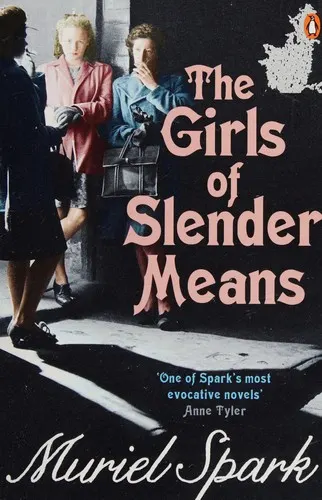
In 1945, the young residents of London’s May of Teck Club share clothes, rationed meals, literary aspirations, gossip, and an exceedingly narrow bathroom window. Spark moves among them with Green’s quickness: character emerges through a borrowed dress, a repeated phrase, a tiny act of selfishness. The comedy is airy but never harmless; vanity and generosity coexist without being tidied into moral lessons.
This is one of Spark’s most admired novels, and its astonishing compression shows why. In scarcely more than a hundred pages she creates a whole social organism, then lets darker pressures become visible beneath its bright chatter. A reader who loves how Loving hides danger and desire inside apparently casual scenes should find Spark’s elegance equally addictive.

Freda and Brenda, mismatched roommates working at a London bottle factory, help arrange an outing for their Italian coworkers. From that modest premise Bainbridge produces a superb piece of social choreography: flirtation, resentment, class embarrassment, and misunderstanding accumulate while everyone keeps talking past everyone else.
What recalls Green is Bainbridge’s refusal to explain too much. Her sentences are clipped and exact, her dialogue magnificently askew, and her comedy grows more alarming without ever ceasing to be funny. Bainbridge became a five-time Booker finalist and one of postwar Britain’s most cherished comic novelists; this early novel shows her gift in its purest form. It offers the rare sensation Loving does: a farce so sharply observed that it begins to feel like fate.