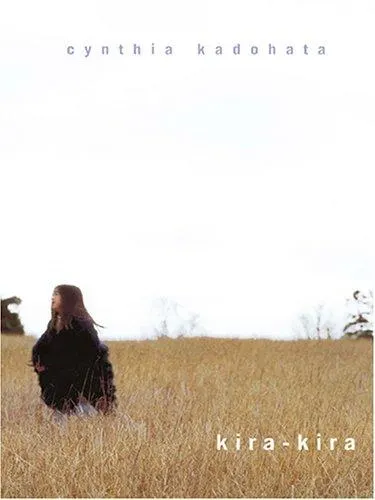
Books like Kira-Kira
You loved the way Kira-Kira finds radiance inside hardship: its intimate child’s voice, imperfect but fierce family love, and refusal to make grief either tidy or hopeless. These three novels preserve that emotional honesty while offering distinct worlds of their own.
If you liked Kira-Kira, you’ll love these
Not lookalikes — kindred books. Each one shares something essential with Kira-Kira, and we tell you exactly what.
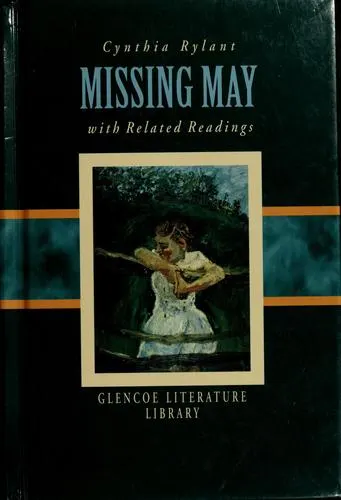
After her beloved Aunt May dies, twelve-year-old Summer watches Uncle Ob sink into grief and clings to the possibility that May might somehow send them a sign. Like Kira-Kira, this brief novel understands that bereavement changes the texture of ordinary things—meals, car rides, familiar rooms—while flashes of beauty remain possible.
Rylant’s spare, musical prose gives working-class lives enormous dignity, and Summer’s narration is guileless without ever being simplistic. Missing May won the Newbery Medal, but its lasting distinction is how much tenderness it fits into so few pages. Readers who carried Katie’s sorrow with them will find this equally difficult to forget.
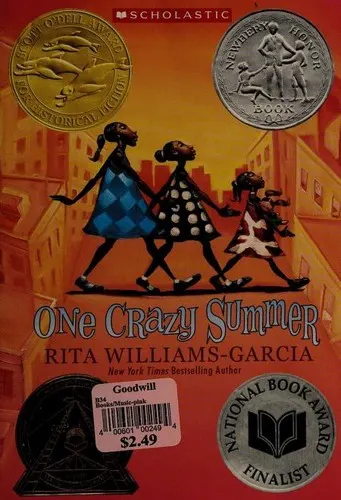
Eleven-year-old Delphine arrives in Oakland determined to look after her two younger sisters, because the mother they barely know cannot be counted on to do it. Delphine’s vigilance will feel instantly familiar to anyone moved by Katie and Lynn: sisterly love here consists not only of affection, but of responsibility, irritation, storytelling, and the private rules children invent to keep one another safe.
Yet One Crazy Summer has its own quick, comic energy. Against the ferment of 1968 Oakland, Delphine begins discovering that adults, families, and political movements are more complicated than the judgments she has brought with her. A Newbery Honor and Coretta Scott King Award winner, it is cherished because its history lives through unforgettable sisters rather than lessons—and because Delphine’s hard-won understanding feels exhilaratingly real.
Kadohata’s National Book Award winner is the clearest proof that the achievement of Kira-Kira was not confined to one story. Twelve-year-old Summer, anxious that her family has entered a season of bad luck, joins her grandparents and younger brother on a wheat-harvesting circuit. Kadohata makes the machinery, heat, exhaustion, and precarious finances intensely tangible without letting them overwhelm the strange comedy of family life.
What returns is her rarest gift: a child narrator who notices more than she understands, allowing the reader to glimpse the fear and devotion beneath adults’ sharp words. Summer is prickly, observant, funny, and brave in thoroughly unshowy ways. If Kira-Kira made you treasure Kadohata’s attention to labor, landscape, and love expressed through endurance, leaving this novel unread would mean missing one of her finest variations on those qualities.