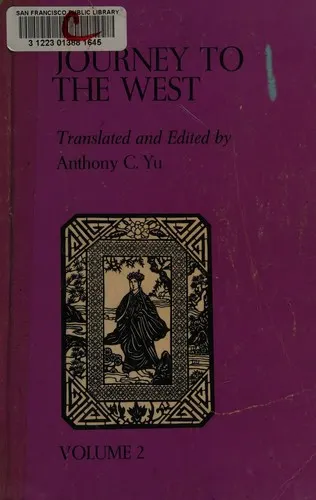
Books like Journey to the West
Journey to the West makes spiritual discipline inseparable from slapstick: every monster, quarrel, transformation, and heavenly filing error becomes part of the pilgrimage.
If you liked Journey to the West, you’ll love these
Not lookalikes — kindred books. Each one shares something essential with Journey to the West, and we tell you exactly what.
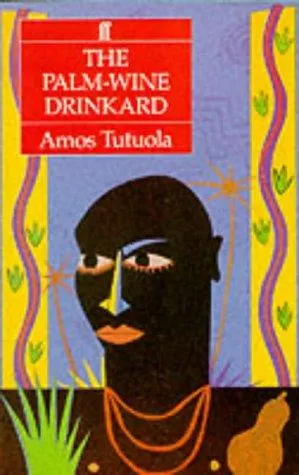
Tutuola’s narrator sets out for the land of the dead after losing his astonishingly productive palm-wine tapster, and the journey immediately acquires the headlong logic of oral storytelling: one marvel opens into another, danger turns grotesquely funny, and ordinary rules keep dissolving.
Like Journey to the West, this is a quest whose episodes are exuberant inventions rather than mere obstacles. Tutuola’s unconventional English gives the novel a voice found nowhere else—incantatory, direct, and gloriously unpredictable. Published in 1952, it became an internationally influential work of African literature and won devoted admirers including Dylan Thomas. Few books come closer to reproducing the feeling that the world is inexhaustible and that the next page may contain literally anything.
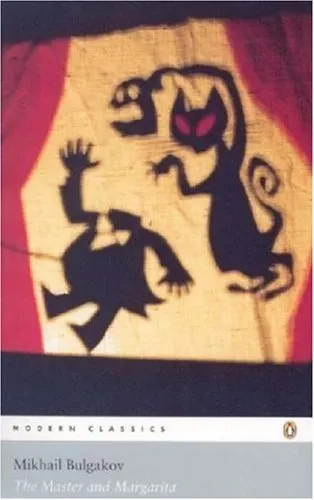
A mysterious foreigner arrives in officially atheistic Moscow, and rational Soviet life proves spectacularly unable to contain him. Bulgakov shares Wu’s delight in forcing the supernatural through bureaucratic institutions: solemn officials meet impossible events, vanity receives elaborate punishment, and cosmic questions arrive accompanied by superb clowning.
The kinship lies especially in the balance of mockery and metaphysical seriousness. Neither novel treats comedy as an escape from spiritual inquiry; laughter is one of its sharpest instruments. Long suppressed and first published in censored form decades after Bulgakov’s death, The Master and Margarita became a cult classic because its wildness never cancels its emotional force. Its demonic pageantry is irresistible, but its deepest magic is making satire, tenderness, and faith inhabit the same sentence.
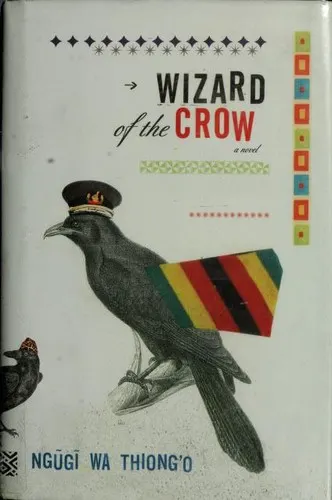
The ruler of the fictional Free Republic of Aburĩria proposes a tower reaching heaven, while ministers compete in ever more grotesque displays of loyalty. From that opening absurdity, Ngũgĩ builds a vast comic world in which authoritarian power depends upon ceremony, credulity, paperwork, and collective performance.
Readers who relish Journey to the West’s celestial hierarchy will recognize the pleasure of watching pompous systems exposed by their own logic. Yet Wizard of the Crow is no imitation: drawing on Gĩkũyũ oral traditions, political satire, and magical storytelling, it turns rumor and improvisation into weapons against power. Frequently regarded as Ngũgĩ’s late masterpiece, it has the scale of an epic and the intimate momentum of a tale told aloud. Its comedy keeps widening until an entire political order appears both terrifying and ridiculous.