
Books like Johnny Got His Gun
What is a human life worth when the state can destroy a body, imprison the mind within it, and call the result necessary? These novels press that question with comparable force, but through strikingly different forms.
If you liked Johnny Got His Gun, you’ll love these
Not lookalikes — kindred books. Each one shares something essential with Johnny Got His Gun, and we tell you exactly what.
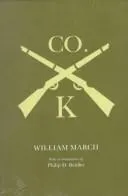
March replaces the single trapped consciousness of Joe Bonham with 113 brief testimonies from one company of American soldiers. Each man gets only a few pages, yet the accumulation becomes devastating: patriotic abstractions dissolve into fear, cruelty, shame, and memories that cannot be made noble.
Published in 1933 and now regarded as a landmark American war novel, Company K has Trumbo’s same moral ferocity without imitating his method. Its plainspoken voices expose how institutions turn individuals into expendable material. If Johnny Got His Gun made you distrust every polished story told about war, March’s chorus is essential reading.
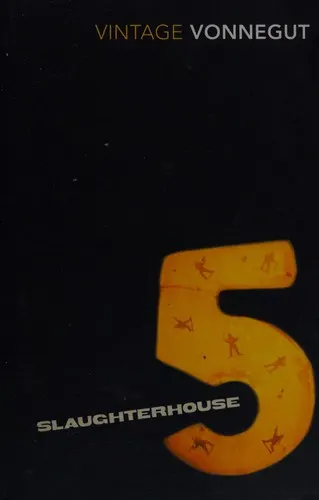
Vonnegut reaches an antiwar truth as uncompromising as Trumbo’s by abandoning realism for fractured time, science fiction, and bleak comedy. Billy Pilgrim becomes “unstuck in time,” while the narrator struggles to write about the destruction of Dresden—a subject Vonnegut knew as a prisoner of war who survived the bombing.
The jokes never soften the horror; they show a mind unable to arrange catastrophe into a reassuring lesson. Few novels have shaped the modern imagination of war so deeply, and its famous fatalistic refrain grows more disturbing with every repetition. Where Trumbo creates a scream inside silence, Vonnegut makes trauma stutter across time.
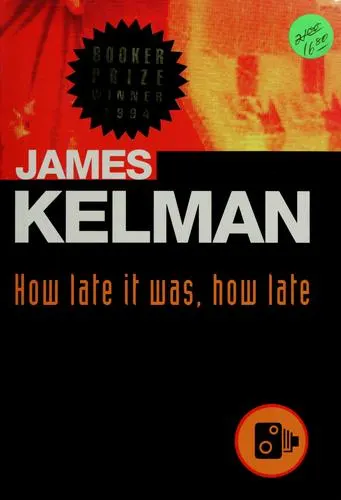
The kinship here is deeper than war. Sammy, a battered Glaswegian petty criminal, wakes after a drunken weekend, clashes with the police, and finds himself unable to see. From there, Kelman locks the reader into his profane, stubbornly alive consciousness as he confronts officials who treat suffering as an administrative inconvenience.
This fiercely controversial Booker Prize winner turns dialect into an instrument of dignity: Sammy’s voice is abrasive, funny, repetitive, and impossible to bureaucratize. Like Joe Bonham, he must prove that a damaged, disregarded body still contains an irreducible person. Readers who admired Trumbo’s ability to make consciousness itself an act of resistance should not miss Kelman’s audacious counterpart.