Books like Investiture of the Gods
In Investiture of the Gods, no warrior stays merely a warrior for long: every grievance opens onto a cosmic hierarchy, every duel produces a stranger weapon, and even divine destiny has the bustle and absurdity of government work.
If you liked Investiture of the Gods, you’ll love these
Not lookalikes — kindred books. Each one shares something essential with Investiture of the Gods, and we tell you exactly what.
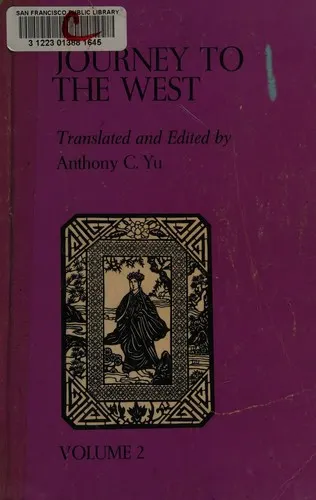
This is the essential next book for the reader who relished Investiture’s collision of sacred purpose, comic disorder, and inexhaustible supernatural invention. Its immortals are powerful but vain, its heavens resemble an unruly civil service, and its monsters and magical objects arrive with the same magnificent refusal to repeat themselves.
At its center is Sun Wukong, one of world literature’s great disruptive creations: boastful, ingenious, touchy, funny, and nearly impossible to contain. The novel’s episodic architecture turns each obstacle into a fresh miniature mythology while gradually deepening its questions about discipline, freedom, and enlightenment. One of China’s Four Great Classical Novels, it is not merely another gods-and-demons tale but the form’s comic masterpiece—and anyone who loves Investiture’s celestial commotion deserves to meet the Monkey King in full.
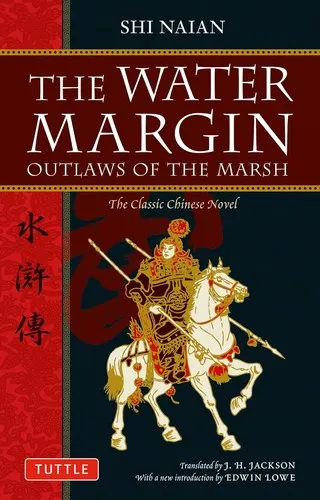
What Water Margin shares with Investiture is not a pantheon but a method of making immensity personal. A vast destined company is assembled one unforgettable figure at a time: fighters, fugitives, tricksters, zealots, and compromised officials, each granted an entrance so vivid that the roster becomes a world.
Its combats substitute physical bravura for magical weaponry, yet they have the same ritual excitement—boasts, reversals, ingenious stratagems, and sudden eruptions of violence. More importantly, the novel shares Investiture’s uneasy fascination with sanctioned rebellion: heaven may endorse the larger pattern, but individual acts remain morally turbulent. Another of the Four Great Classical Novels, Water Margin has shaped Chinese storytelling for centuries. Its heroes are so fiercely drawn that readers still argue over whom to admire, excuse, or fear.
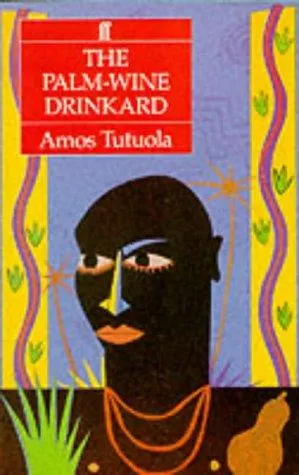
For the sheer sensation that the laws of reality can be reinvented on every page, read The Palm-Wine Drinkard. Tutuola sends his narrator into a spirit world where bodies transform, impossible creatures obey dream logic, and terror can turn into comedy without warning. Like Investiture, it treats the supernatural not as decorative fantasy but as a crowded, practical realm with bargains, appetites, dangers, and rules discovered only when someone breaks them.
The prose draws extraordinary momentum from Yoruba oral storytelling: direct, repetitive, incantatory, and gloriously unconcerned with Western realism. Published in 1952, the novel became an internationally influential landmark of African literature, admired for precisely the qualities early detractors mistook for roughness. Its visions feel ancient and unprecedented at once. A reader who delighted in Investiture’s grotesque transformations and bottomless mythic abundance will find here a startlingly different tradition producing the same rare exhilaration.