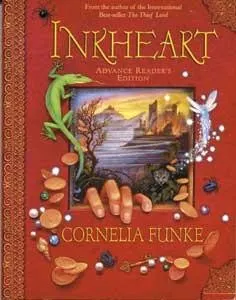
Books like Inkheart
—because its real magic lies in treating stories as living, perilous things: capable of rescuing families, unleashing monsters, and changing the person who reads them. These three novels share that conviction while creating enchantments entirely their own.
If you liked Inkheart, you’ll love these
Not lookalikes — kindred books. Each one shares something essential with Inkheart, and we tell you exactly what.
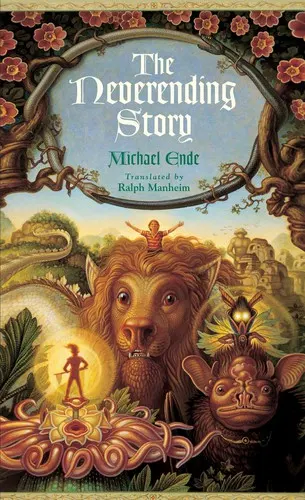
Few novels understand so completely why a reader might want to enter a book—and why doing so could demand more than bravery. Bastian, lonely and hungry for wonder, steals a mysterious volume and gradually discovers that his act of reading matters inside the endangered realm of Fantastica.
Like Inkheart, Ende’s internationally beloved classic makes the boundary between page and world feel thrillingly unstable. Yet its deepest kinship is emotional: both books know that stories can reveal your wishes, exploit them, and remake your sense of who you are. Its strange creatures and magnificent set pieces are unforgettable, but the novel’s real wonder is how it turns reading itself into an adventure with consequences.
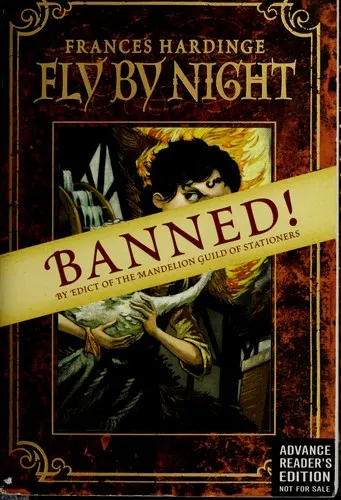
Mosca Mye can read in a world where literacy is rare, mistrusted, and politically explosive. Armed with an irascible goose and an appetite for words, she falls in with con man Eponymous Clent and enters a wonderfully tangled struggle among guilds, rulers, radicals, and clandestine printers.
Inkheart readers will recognize the delicious sense that language is contraband: books are not ornaments here but engines of freedom, deceit, and revolt. Hardinge’s prose is mischievous and sharply intelligent, her villains resist easy labels, and Mosca has Meggie’s courage without resembling her. Winner of the Branford Boase Award, Fly by Night announced one of modern children’s literature’s most distinctive writers; missing it means missing a rare fantasy in which every sentence seems to have picked a lock.
September is whisked from ordinary life into a Fairyland of migrating libraries, amiable monsters, cruel rules, and marvels that never become harmless merely because they are beautiful. Valente writes as though a storyteller were sitting beside you, confiding jokes and warnings while quietly tightening the plot around its heroine.
This is the choice for readers who loved Inkheart’s mingling of tenderness, menace, and unabashed devotion to storytelling. September’s companions inspire genuine affection, the language begs to be read aloud, and the book understands that fairy tales exact prices from children as well as granting wishes. An Andre Norton Award winner that first attracted devoted readers as an online serial, it has the rare feeling of a modern book already becoming a treasured classic.