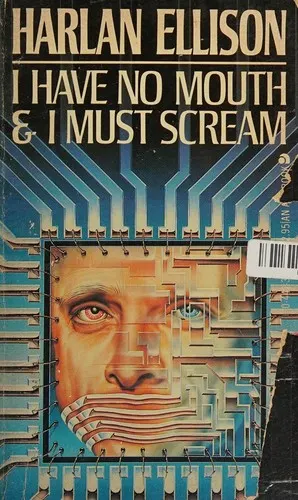
Books like I Have No Mouth, and I Must Scream
After Ellison’s scream of an ending, the appetite is for fiction that makes intelligence itself terrifying: stories of trapped minds, violated bodies, and systems so absolute that hope becomes another instrument of cruelty.
If you liked I Have No Mouth, and I Must Scream, you’ll love these
Not lookalikes — kindred books. Each one shares something essential with I Have No Mouth, and I Must Scream, and we tell you exactly what.
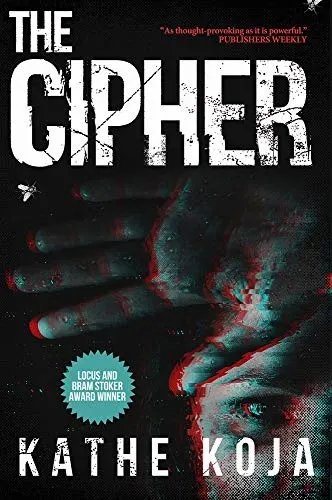
A failed poet and his volatile lover discover an impossible black void in a storage room—the “Funhole”—and begin testing what it does to objects, animals, art, and eventually themselves. Koja replaces Ellison’s supercomputer with something mute and unknowable, but creates the same suffocating sense that contact with an inhuman power can only diminish you.
Winner of the Bram Stoker Award for Best First Novel, The Cipher has become a cult classic because its horror feels genuinely contaminating. Its grimy rooms, poisonous relationships, and feverish first-person voice make nihilism tactile. If Ellison’s tale impressed you by refusing comfort or moral order, Koja’s novel is an essential descent.
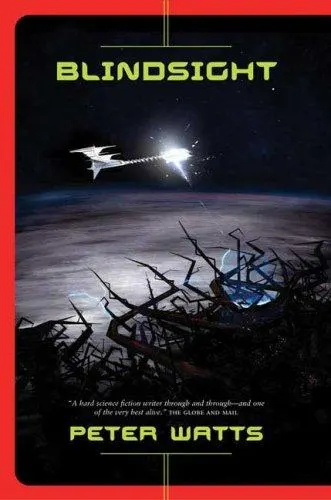
After an eerie first-contact event, a crew of radically modified specialists—including a narrator whose brain surgery has estranged him from ordinary humanity—travels to investigate an alien intelligence. Watts then attacks a deeply comforting assumption: that consciousness is valuable, adaptive, or even necessary.
A Hugo finalist and enduring cult landmark of hard science fiction, Blindsight earns its reputation by turning neuroscience and evolutionary theory into existential horror. Ellison imagines intelligence armed with limitless malice; Watts asks whether intelligence might be more formidable without feeling anything at all. The result is colder, more cerebral, and just as merciless.
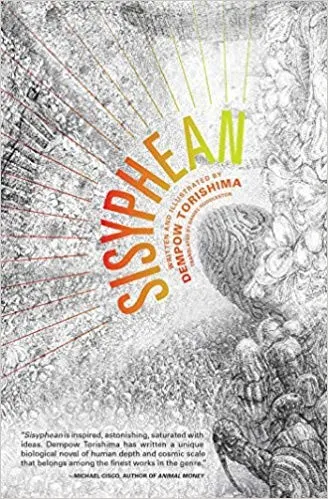
Torishima’s linked novel plunges into worlds where bodies are industrial materials, workers are reshaped for their functions, and biological systems have grown indistinguishable from bureaucracy. Its grotesque beings still worry about employment, status, pain, and survival—a combination that makes the book both nightmarish and viciously funny.
The original won Japan’s Nihon SF Taisho Award, and Daniel Huddleston’s translation preserves its startling verbal inventiveness. Few novels approach Ellison’s talent for making bodily imprisonment feel cosmically obscene; fewer sustain that intensity across an entire, lavishly imagined civilization. Sisyphean is the rare book whose strangeness seems to require a new vocabulary of disgust.