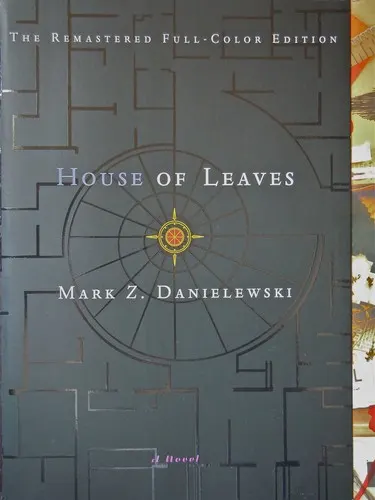
Books like House of Leaves
A dead blind man leaves behind a roomful of pages about a film no one can prove was ever made—and the floor immediately begins to feel less solid.
If you liked House of Leaves, you’ll love these
Not lookalikes — kindred books. Each one shares something essential with House of Leaves, and we tell you exactly what.
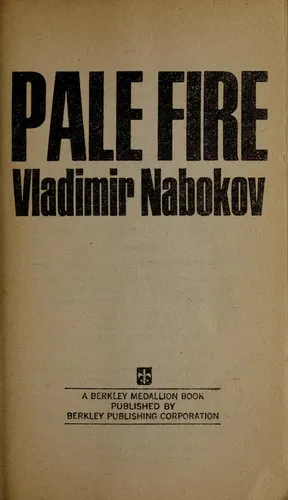
A 999-line poem is followed by an editor’s commentary that gradually attempts to seize control of the entire book. As in House of Leaves, the scholarly apparatus is not supporting material but the battlefield: footnotes misdirect you, interpretations expose their interpreter, and the reader must decide what kind of story is hiding inside the documents.
Widely regarded as one of Nabokov’s masterpieces, Pale Fire combines formal ingenuity with comedy, grief, vanity, and possible madness. Its puzzle is inexhaustible because solving it never exhausts the human mystery behind it.
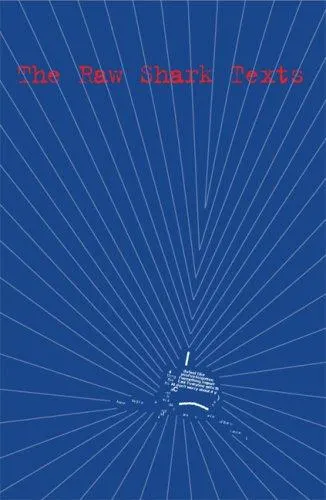
Eric Sanderson wakes without his memories and finds letters from the person he used to be. From that intimate premise, language itself becomes dangerous: ideas behave like predators, pages become physical spaces, and typography acquires movement and force.
This cult debut is the recommendation for readers who loved watching House of Leaves turn the printed book into an instrument of suspense. Yet its experimentation is never merely decorative. Beneath the conceptual horror lies a bruising story about memory, loss, and the desperate wish to preserve what reality keeps erasing.
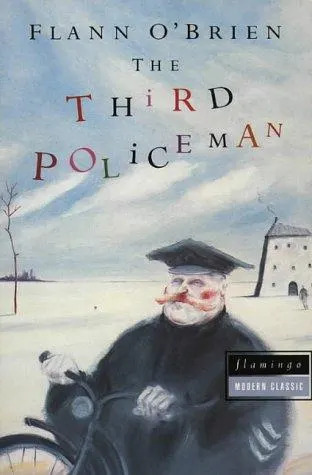
Few novels make impossible reality feel so funny—or make laughter feel so close to terror. Its unnamed narrator enters an Irish countryside governed by policemen, bicycles, eccentric scientific theories, and a logic that is impeccable sentence by sentence while becoming increasingly unlivable as a whole.
Rejected during O’Brien’s lifetime and published posthumously, The Third Policeman became a fiercely loved cult classic. It lacks Danielewski’s visual fireworks, but reaches the same deeper unease: space, identity, and causality stop obeying ordinary rules, while the narrator keeps trying to reason his way through. The result is compact, hilarious, and cosmically wrong.