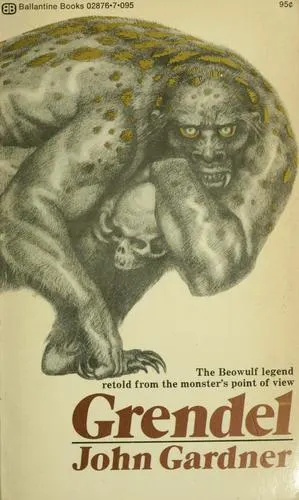
Books like Grendel
The monster speaks. Gardner’s triumph is not simply retelling *Beowulf* from the other side, but giving alienation a voice at once savage, comic, philosophical, and painfully conscious. These novels likewise make inherited stories or moral categories unstable by letting the excluded consciousness answer back.
If you liked Grendel, you’ll love these
Not lookalikes — kindred books. Each one shares something essential with Grendel, and we tell you exactly what.
Abel Tiffauges begins as a grotesque, solitary man recording his private mythology in a journal. Like Grendel, he is intellectually ravenous: he reads the world as a web of signs, reversals, and ominous correspondences, building an elaborate philosophy around his estrangement from ordinary humanity.
Tournier’s Prix Goncourt–winning novel has Gardner’s unnerving fusion of myth, comedy, and moral horror. Its great seduction is the authority of Abel’s voice—even as his interpretations grow dangerous, the reader feels how intoxicating it is to turn appetite into destiny. Few novels so powerfully show a consciousness inventing the myth that will consume it.
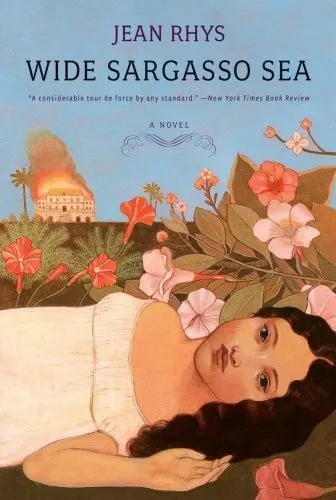
Rhys takes a woman whom a famous English novel reduced to a terrifying obstacle and restores to her a childhood, a landscape, and a mind. The kinship with *Grendel* lies in that radical act of repossession: the figure outside the canonical story insists that the canon’s moral clarity was purchased by refusing to hear her.
But this is no literary exercise. Rhys’s prose is feverishly beautiful—lush, fractured, and increasingly haunted by the instability of names and identities. Published after decades of silence, it became the masterpiece that restored Rhys’s reputation and permanently changed how readers encounter *Jane Eyre*. To miss it is to miss one of fiction’s most devastating demonstrations that perspective is power.
Jake Marlowe is cultured, exhausted, mordantly funny, and still governed by an appetite no philosophy can civilize. From its opening, he confronts the prospect of being the last of his kind with a weary intelligence that will feel instantly familiar to anyone captivated by Grendel’s collision of metaphysical speculation and bodily hunger.
Duncan writes with sensual force and unapologetic ferocity, but the blood is not the point. The real subject is whether consciousness redeems appetite or merely makes it lonelier—and whether a creature who sees through every comforting story can find a reason to continue. Jake’s voice is so charismatic that his despair becomes exhilarating; this is the rare contemporary monster novel that can stand beside Gardner’s without seeming intellectually tame.