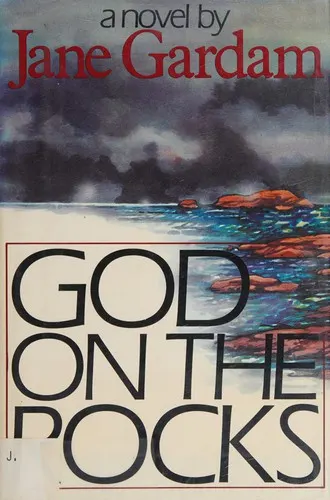
Books like God on the Rocks
What lingers is Jane Gardam’s rare double vision: childhood bewilderment rendered with comic sparkle, while adult loneliness and betrayal gather just beyond the child’s understanding. These three novels possess that same mixture of sharpness, mercy and quiet devastation.
If you liked God on the Rocks, you’ll love these
Not lookalikes — kindred books. Each one shares something essential with God on the Rocks, and we tell you exactly what.
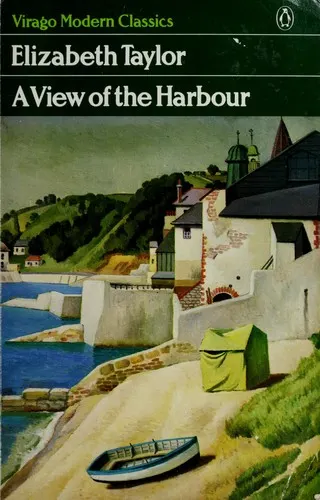
Taylor shares Gardam’s gift for moving among ordinary people until every apparently minor life acquires unexpected weight. In a small coastal community, marriages, infatuations and private disappointments overlap, while children notice far more than adults suppose. The kinship lies not in the seaside setting but in the oblique storytelling: comedy glances off pain, and emotional disasters are disclosed through gestures, evasions and badly timed kindnesses.
Long cherished as a “writer’s writer,” Taylor is one of the great English novelists of social perception. This is among her richest ensemble novels—delicate on the surface, ruthless underneath, and so humane that even its most foolish characters become difficult to forget.
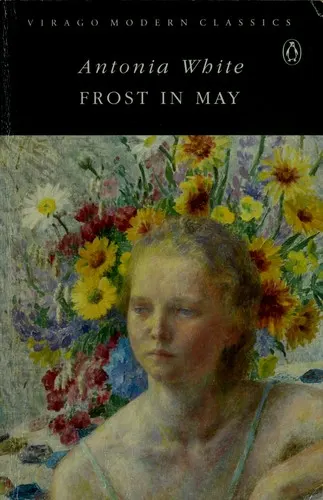
If the religious world of God on the Rocks fascinated you—its beauty, terror, absurdity and power over a child—read Frost in May. Nanda Grey enters a Catholic convent school eager to belong, encountering a faith expressed through gorgeous ritual and unforgiving authority. White captures with uncanny accuracy the child’s mixture of literal-mindedness, imaginative intensity and helpless sensitivity to adult judgment.
The novel never reduces belief to mere hypocrisy: its sting comes from understanding why Nanda loves what constrains her. Chosen as the first Virago Modern Classic, it helped inaugurate one of the most influential modern recoveries of neglected women’s writing. Its final effect is piercing precisely because the prose remains so controlled.
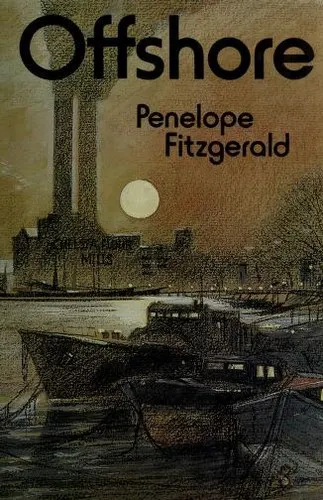
The inhabitants of Fitzgerald’s battered houseboats live in a condition of comic instability: neither securely on land nor entirely afloat. Among them are Nenna and her startlingly self-reliant daughters, children whose practical intelligence exposes the confusion of the adults around them. Fitzgerald, like Gardam, can make eccentricity hilarious without turning people into curiosities; one sentence amuses, the next reveals the cost of being unwanted or uncertain where one belongs.
This exceptionally short novel won the Booker Prize, and its brevity is part of its magic: nothing is laboured, yet an entire precarious society comes alive. Few books combine such buoyant comedy with such an undertow of loss. To skip it would be to miss one of the finest demonstrations of how much a small novel can hold.