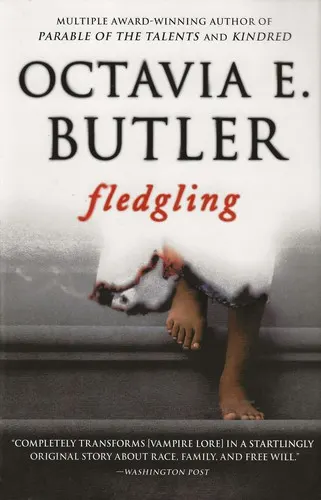
Books like Fledgling
—because the deepest fascination of Fledgling is not vampirism itself, but the troubling overlap of hunger, dependence, consent, and chosen kinship. These three novels press on those same nerves in strikingly different ways.
If you liked Fledgling, you’ll love these
Not lookalikes — kindred books. Each one shares something essential with Fledgling, and we tell you exactly what.
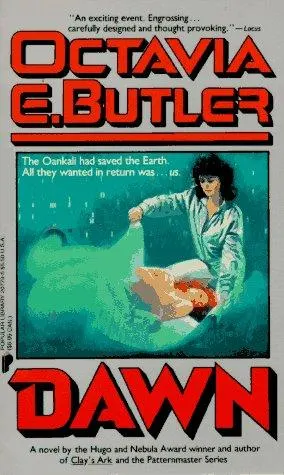
Lilith Iyapo awakens after humanity has nearly destroyed itself, confined and studied by the Oankali—aliens who heal, alter, and desire human beings while holding almost all the power.
Like Fledgling, Dawn refuses any clean division between intimacy and coercion. Biological need complicates consent; bodily difference becomes both gift and stigma; survival may require relationships that cannot be called wholly free. Butler makes every apparent rescue ethically unstable, yet she also creates forms of attachment too profound to dismiss as mere captivity. This is Butler at her most unsettling and intellectually exact: the opening novel of her celebrated Xenogenesis trilogy, and perhaps the clearest next step for anyone haunted by Fledgling’s moral ambiguities.
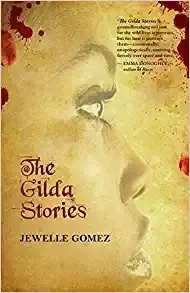
Gilda begins as a young Black woman escaping slavery in 1850s Louisiana and enters a sustaining community of women who practice vampirism according to an ethic of reciprocity: take blood, but leave something valuable in return.
That principle transforms the vampire from solitary predator into participant in a lineage. Across its sweeping chronology, the novel explores Black queer life, migration, loneliness, memory, and the hard work of maintaining family over time. Where Fledgling asks how a community built around bodily dependency might remain humane, Gomez imagines an answer founded on responsibility and mutual care. A winner of two Lambda Literary Awards, The Gilda Stories has become a foundational Black lesbian speculative novel—and its tenderness is every bit as memorable as its radical vision.
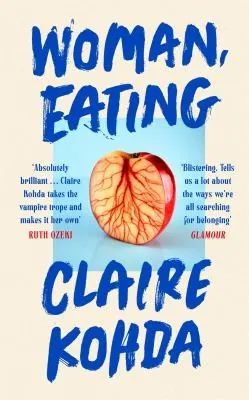
Lydia is a young artist, mixed-race and newly independent, trying to survive on packets of pig’s blood while everyone around her enjoys food she cannot share. Her vampirism is less a supernatural adventure than an inescapable bodily condition: appetite shapes her work, her shame, her relationships, and her uncertain sense of who she is allowed to become.
Kohda trades Fledgling’s clan politics for an intimate portrait of estrangement, but the kinship is powerful. Both novels treat hunger as morally complicated rather than inherently evil, and both connect the monstrous body to racialization, inheritance, and other people’s projections. Woman, Eating is a lean, incisive contemporary debut whose devoted admirers recognize it as far more than a clever vampire update: it captures, with painful precision, what it means to need nourishment from a world that has no comfortable place for you.