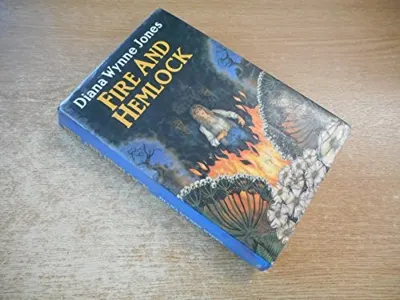
Books like Fire and Hemlock
M. John Harrison’s bleak adult occult novel may seem an oblique place to begin, but it reaches the same nerve as Fire and Hemlock: memory becomes a treacherous act of interpretation, and enchantment cannot be separated from emotional power. The other two choices preserve more of Jones’s warmth, yet all three reward the alert rereading that Polly’s story demands.
If you liked Fire and Hemlock, you’ll love these
Not lookalikes — kindred books. Each one shares something essential with Fire and Hemlock, and we tell you exactly what.
Years after three friends attempt an occult ritual, their ordinary lives remain haunted by something they can neither fully remember nor explain. Harrison makes the missing event exert pressure on every sentence, much as Polly’s altered memories shape Fire and Hemlock before she understands what has been taken from her.
This is the darkest recommendation here: its glamour is shabby, melancholy, and entangled with self-deception. But Harrison—one of modern fantasy’s most admired stylists—shares Jones’s refusal to make magic merely decorative. Stories can console, imprison, or falsify experience; love may contain rescue and exploitation at once. If the unsettling adult implications of Fire and Hemlock lingered with you after its fairy-tale machinery stopped turning, The Course of the Heart is the daring next step.
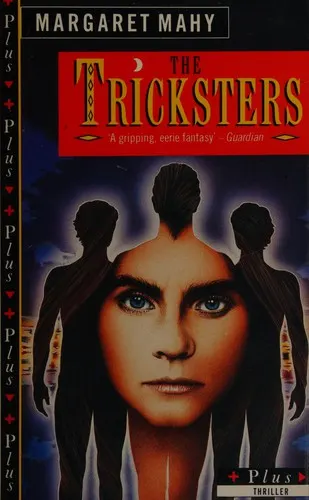
During a crowded family Christmas, teenage Harry Hamilton encounters three magnetic brothers who seem to have arrived from outside ordinary reality. Their presence disturbs more than the holiday: it exposes fault lines in a family whose jokes, affections, rivalries, and secrets Mahy renders with astonishing vitality.
Harry is also a private writer, so imagination is never just escape—it is a way of detecting truths that polite family narratives suppress. That makes her a close spiritual cousin to Polly: intelligent but uncertain, creating stories while slowly realizing that stories are also being imposed upon her. The supernatural visitors are alluring, theatrical, and dangerous without becoming simple villains.
The Tricksters won the Boston Globe–Horn Book Award, and it shows why Mahy inspires such devotion. Few novelists can move so naturally from domestic comedy to psychological menace, or make adolescent creativity feel so powerful and so risky.
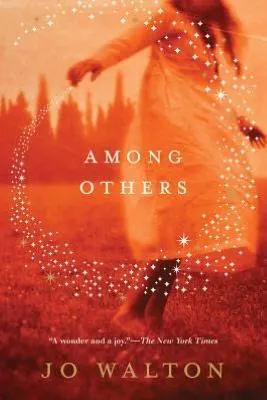
Mori, injured and estranged from her mother, is sent to boarding school, where science-fiction and fantasy novels become her vocabulary for survival. She can perceive fairies, but Walton’s magic is quiet, local, and resistant to proof; its rules emerge through attention rather than exposition.
A Fire and Hemlock reader will recognize the deeper kinship: a young woman must decide which version of her past to trust, how much power stories possess, and whether using magic can ever be morally clean. Mori’s passionate commentary on books also captures the intimacy of reading—the sense that the right novel can provide not just pleasure but allies and instructions for living.
Winner of both the Hugo and Nebula awards, Among Others has become a touchstone for readers who once found themselves through fantasy. It understands that books do not replace the world: at their best, they teach us how to return to it.