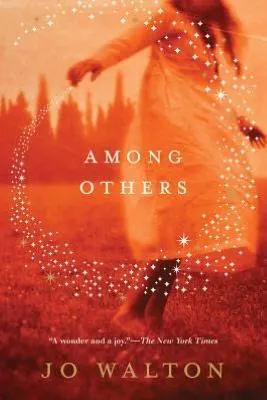
Books like Among Others
Quiet loneliness, stubborn hope, and the uncanny consolation of discovering that books—and perhaps magic—have been speaking directly to you all along.
If you liked Among Others, you’ll love these
Not lookalikes — kindred books. Each one shares something essential with Among Others, and we tell you exactly what.

Polly begins to notice that she possesses two incompatible sets of childhood memories. Recovering the buried version means revisiting an intense friendship, the stories she invented, and the books that taught her how to interpret her own life.
Like Among Others, this novel treats reading as an active, perilous art: myths and poems are not decorative references but tools for recognizing patterns and making moral choices. Jones trusts the reader with gaps, contradictions, and magic that refuses to explain itself neatly. One of her most passionately reread novels, Fire and Hemlock changes shape as its reader changes; finishing it once is only the beginning.
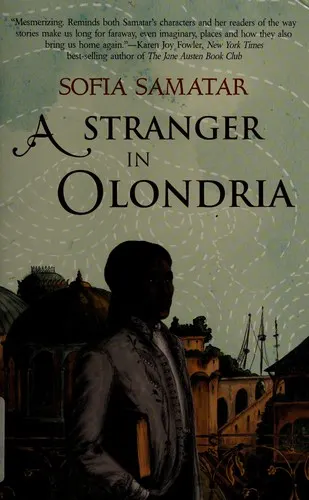
Jevick grows up where books are scarce, introduced by a foreign tutor to the intoxicating literature of Olondria. When he finally travels there, the imagined country of his reading becomes real—and his delight in it becomes entangled with a haunting.
Samatar understands, as Walton does, that becoming a reader can estrange you from home while giving you another home made of language. Her sumptuous prose makes literacy feel almost supernatural, yet the novel remains sharply attentive to grief, power, and the obligations created by other people’s stories. This World Fantasy Award winner is a rare book about loving literature that itself rewards such love on every page.
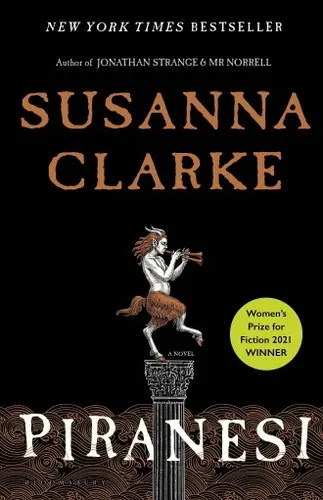
Piranesi records his days in careful journal entries while exploring an apparently endless House of statues, tides, and echoing halls. His world is impossible, but his account of it is practical, observant, and disarmingly sincere.
Readers who loved Mori’s diary voice will recognize the pleasure of assembling a larger truth from one intelligent, limited perspective. More importantly, both novels refuse to confuse innocence with foolishness: their protagonists retain curiosity and decency without being protected from cruelty or loss. Winner of the Women’s Prize for Fiction, Piranesi is brief, luminous, and haunting—the kind of novel whose narrator’s company you miss almost immediately.