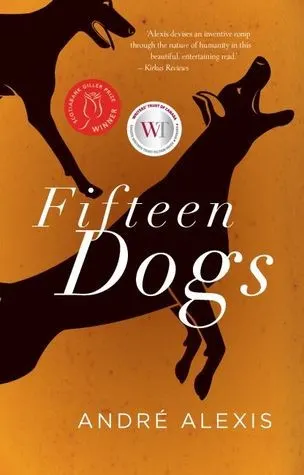
Books like Fifteen Dogs
—because the miracle isn't really that the dogs can speak; it is that consciousness makes love, beauty, loyalty, and death newly unbearable. These novels share that philosophical daring and emotional bite.
If you liked Fifteen Dogs, you’ll love these
Not lookalikes — kindred books. Each one shares something essential with Fifteen Dogs, and we tell you exactly what.
In an unnamed country, people suddenly stop dying. Saramago treats this impossible gift exactly as Alexis treats canine intelligence: not as a gimmick, but as a test whose consequences expose vanity, institutions, families, and the strange necessity of mortality.
The Nobel laureate’s sly, winding prose moves from social comedy toward something intimate and unexpectedly tender. If you loved how Fifteen Dogs turns a wager into a piercing inquiry about whether awareness blesses or ruins us, this is the rare fable that can stand beside it.
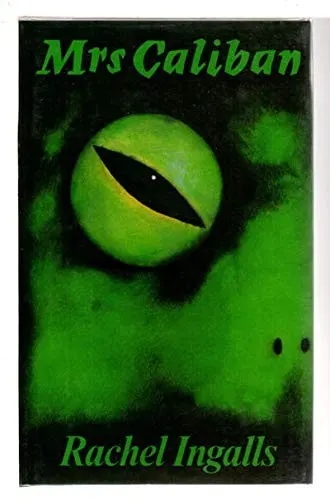
Dorothy, trapped in a lifeless marriage and shadowed by grief, hears reports of a dangerous amphibious creature on the loose. When he enters her kitchen, Ingalls makes the impossible feel domestic, erotic, funny, and completely emotionally credible.
This cult classic has the same startling tonal control as Fifteen Dogs: savage absurdity sits beside sincere love without cancelling it. Barely longer than a novella, it asks who counts as human—and whether tenderness matters more than belonging—with a force that explains its enduring devotion among writers and readers.
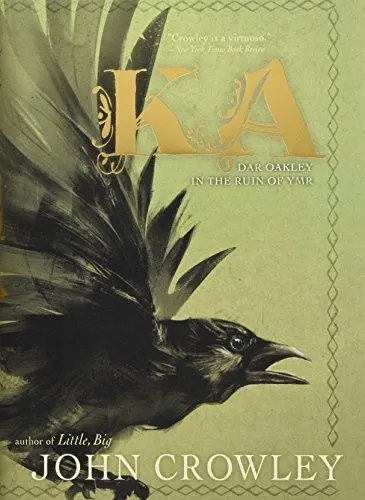
An aging man listens as an ancient crow, Dar Oakley, recounts his encounters with human beings, their gods, their wars, and their ideas about death. Crowley does not merely give an animal human thoughts; he imagines a genuinely different intelligence, complete with its own lore, perceptions, and uneasy relationship to language.
Crowley is revered as a writers’ writer, and Ka displays why: its sentences are luminous, its mythology feels discovered rather than manufactured, and its meditation on consciousness accumulates enormous emotional weight. Readers moved by Prince’s poetry—and by Alexis’s conviction that language can both enlarge life and estrange us from it—should consider this essential.