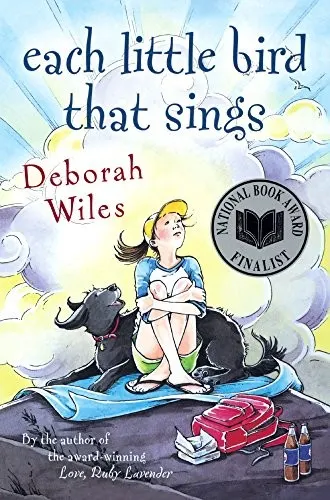
Books like Each Little Bird That Sings
After Comfort Snowberger’s funny, tender, clear-eyed company, the heart wants more stories that neither prettify grief nor let it swallow childhood whole—stories where eccentric communities, wounded friendships, and a child’s irrepressible voice make sorrow bearable.
If you liked Each Little Bird That Sings, you’ll love these
Not lookalikes — kindred books. Each one shares something essential with Each Little Bird That Sings, and we tell you exactly what.
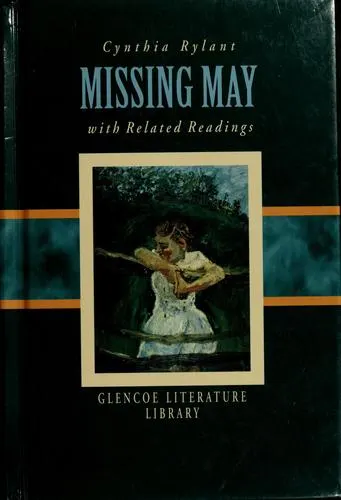
Summer has found a true home with Aunt May and Uncle Ob, so May’s death leaves both her and Ob unmoored. What follows is not a tidy lesson about “moving on,” but a slender, luminous story about the strange work of continuing to live.
Like Deborah Wiles, Rylant understands that grief can coexist with odd jokes, imperfect casseroles, and people grasping at outlandish hopes. Her West Virginia prose is plainspoken yet radiant, and Summer’s love for the adults around her has Comfort’s same mixture of exasperation, loyalty, and watchfulness. Winner of the Newbery Medal, Missing May has become a quiet classic because it accomplishes in barely a hundred pages what many longer novels cannot: it makes loss feel immense while leaving the reader consoled rather than crushed.
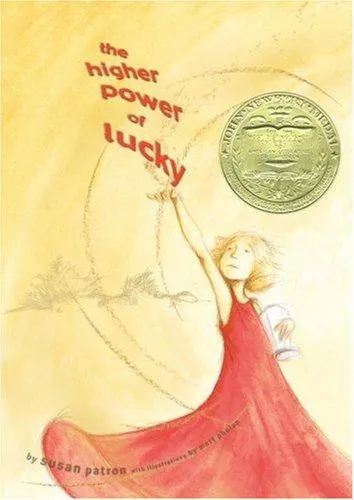
Ten-year-old Lucky lives in the tiny desert town of Hard Pan, population 43, and eavesdrops on twelve-step meetings while trying to discover the mysterious “Higher Power” everyone keeps mentioning. Beneath her resourcefulness is a fear that the life she depends on—and the guardian she loves—might disappear.
Lucky will appeal to readers who loved Comfort’s wonderfully particular way of interpreting adult language and behavior. Patron gives her heroine lists, schemes, scientific curiosity, and comic misunderstandings, but never treats her fears as cute or trivial. Hard Pan also has the communal richness of Snapfinger: its peculiar adults initially look like comic decoration, then reveal themselves as a real network of care. This Newbery Medal winner is mischievous, unsentimental, and deeply affectionate—the kind of book whose dusty little town becomes somewhere you hate to leave.
Mason Buttle is large for his age, struggles to read and write, and tells the truth even when other people have already decided not to believe him. His best friend has died, the police keep questioning Mason, and school offers little refuge—until a new friendship gives him a hidden place where he can breathe.
The kinship here lies in moral vision. Connor, like Wiles, sees that children confronting death are also confronting embarrassment, loyalty, cruelty, guilt, and the bewildering failures of adults. Mason’s voice is vulnerable but never sentimentalized; his goodness emerges through concrete acts of attention, especially toward other frightened beings. A National Book Award finalist and Schneider Family Book Award winner, the novel has earned fierce reader devotion because Mason is unforgettable. Watching him claim the right to tell his own story is both suspenseful and profoundly moving.