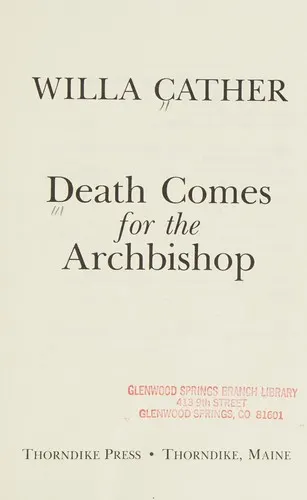
Books like Death Comes for the Archbishop
Death Comes for the Archbishop and Marilynne Robinson’s Gilead belong together on the shelf: both make a quiet, place-bound life of faith feel as large as an epic.
If you liked Death Comes for the Archbishop, you’ll love these
Not lookalikes — kindred books. Each one shares something essential with Death Comes for the Archbishop, and we tell you exactly what.
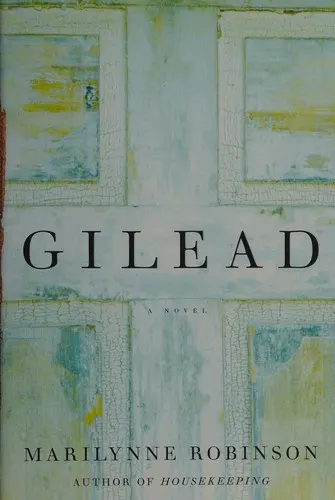
An elderly Iowa minister writes a letter to the young son he will not live to see grow up. Like Cather, Robinson finds grandeur not in incident but in attention: sunlight, water, family stories, old grievances, and fleeting moments of grace.
The Pulitzer-winning Gilead has the same confidence in stillness that distinguishes Cather’s novel. Its theology is lived rather than argued, and its exquisite prose makes ordinary existence appear newly consecrated. Readers who cherish Archbishop Latour’s contemplative intelligence will recognize a kindred mind in John Ames—and may find his voice even harder to leave.
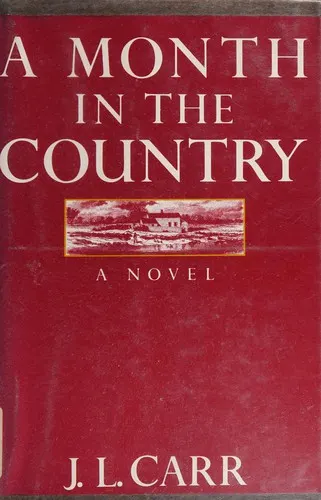
In the summer of 1920, a traumatized veteran comes to a Yorkshire village to uncover a medieval mural in its church. Carr builds the novel from weather, painstaking work, tentative friendship, and the almost imperceptible return of pleasure.
This Booker-shortlisted miniature shares Cather’s precision and restraint: both writers know that a landscape can hold memory, and that devotion may reveal itself through craftsmanship rather than declarations. Barely over a hundred pages, it acquires astonishing emotional depth without forcing a single effect. Its final note of remembered happiness is one that devoted readers carry for years.

Warner’s audacious historical novel follows a medieval English convent not through one heroine’s destiny but through decades of repairs, debts, harvests, quarrels, illnesses, ambitions, and accommodations. History accumulates in humble particulars, just as Cather’s New Mexico emerges from journeys, meals, buildings, rituals, and human attachments rather than conventional plot.
Warner is wrier and less reverent than Cather, yet she shares Cather’s fascination with institutions made real by fallible people. The convent itself becomes the protagonist: an imperfect shelter that outlasts its inhabitants. Long neglected and now cherished as a rediscovered classic, The Corner That Held Them offers that rarest pleasure—a genuinely different idea of what a historical novel can be.