Author
Books like E. M. Delafield
6 books we recommend to E. M. Delafield readers, drawn from Diary of a Provincial Lady and Consequences — each with the reason why.
If you loved Diary of a Provincial Lady
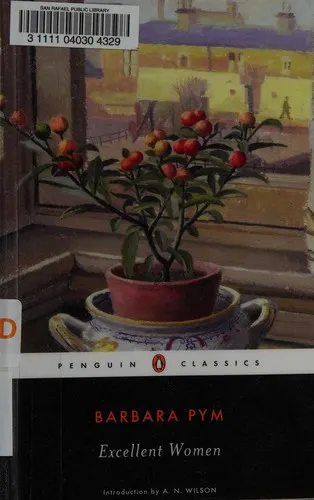
Mildred Lathbury is the natural companion to the Provincial Lady: observant, capable, habitually enlisted in other people’s problems, and far funnier than those around her realize. In postwar London, new neighbors and parish obligations give her ample opportunity to notice the vanity hidden inside good manners. Pym’s comedy lives in tiny things—cups of tea, jumble sales, tactful pauses—and in the distance between what Mildred says and what she understands.
Yet this is not merely cozy social comedy. Mildred’s usefulness has become a way of making herself nearly invisible, and Pym lets loneliness and desire show through without sacrificing her exquisite deadpan. Philip Larkin helped rescue Pym from neglect, and this much-loved novel makes the justice of that revival obvious: every rereading uncovers another barb, another pang, another perfectly chosen qualification.
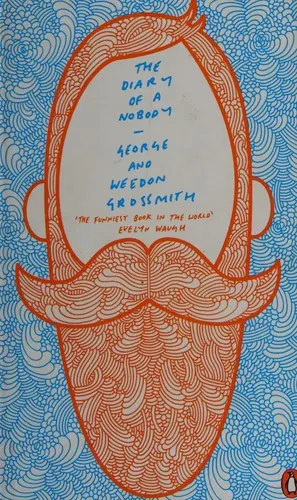
Charles Pooter begins keeping a diary because he cannot see why the public should be deprived of his experiences. That premise creates a glorious inversion of Delafield’s method: where the Provincial Lady recognizes her own absurdities, Pooter records his with unwavering dignity. His home, minor social engagements and small grievances assume epic importance, while the reader sees everything he does not.
First serialized in Punch, the Grossmiths’ comic novel proved so durable that “Pooterish” entered the language as a name for solemn, respectable self-importance. Its greatness lies in its lack of cruelty. Pooter is ridiculous, but his wish for order and recognition is painfully human; before long, every petty humiliation feels both hilarious and momentous. Anyone who loves Delafield’s ability to build comedy from bills, visitors and wounded pride should read one of its indispensable ancestors.
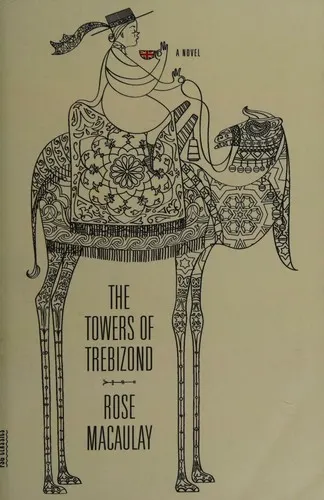
Macaulay begins with an eccentric aunt, a camel and an expedition to Turkey, all described by a narrator whose composure makes the absurdity twice as funny. The scale is more adventurous than Delafield’s, but the comic intelligence is closely related: brisk, elliptical and alert to the preposterous ways people protect their preferred versions of themselves.
Then the novel quietly reveals how much that wit is protecting. Religious doubt, compromised love and self-knowledge gather beneath the travel comedy, giving the narrator’s lightness an unexpected ache. Winner of the James Tait Black Memorial Prize, it has one of the most distinctive voices in twentieth-century fiction—mischievous, erudite and emotionally evasive until evasion itself becomes moving. It is the ideal next step for a reader who suspects the Provincial Lady’s funniest remarks are also her most revealing.
If you loved Consequences
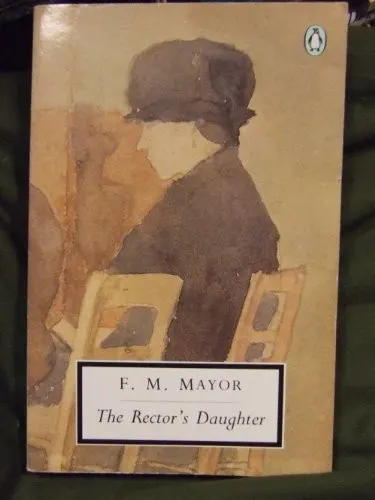
Mary Jocelyn keeps house for an exacting clergyman father, her intelligence and capacity for love almost invisible beneath practiced self-effacement. Like Delafield, Mayor understands that a woman need not be violently oppressed to have her life diminished: habit, duty, financial dependence, and other people’s mild assumptions can do the work perfectly well.
The prose is restrained, but Mary’s smallest hopes carry immense emotional weight. That tension between dry observation and nearly unbearable feeling makes this 1924 novel a natural companion to Consequences. Long cherished as a neglected masterpiece, it is one of those quiet books that permanently alters the meaning of words such as “unselfish” and “good.”
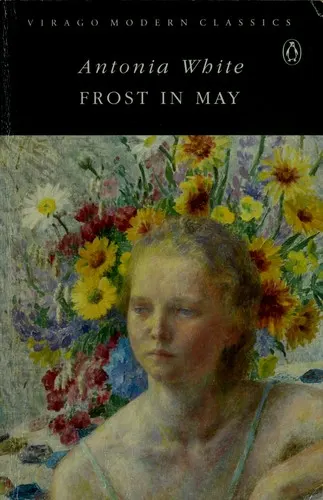
Nine-year-old Nanda Gray arrives at a Catholic convent eager to belong. What follows begins not with crude cruelty but with beauty, ceremony, friendship, and the seductive promise of spiritual perfection. White shows precisely how an imaginative child learns to distrust her own imagination—and why submission can feel like love.
The kinship with Alex Clare is profound: both girls are unusually susceptible to ideals offered by adults, and both encounter institutions that mistake emotional intensity for moral danger. White’s sensuous, exact account of convent life became the inaugural Virago Modern Classic, helping to establish an entire tradition of rediscovered women’s writing. It remains the rare school novel in which every rule seems to reach inside the soul.
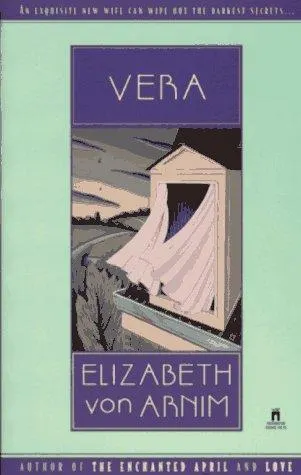
Lucy Entwhistle, grieving for her father, meets Everard Wemyss, who is grieving for his wife. His confidence and solicitude initially appear to offer shelter. Yet von Arnim lets discomfort gather inside ordinary courtesies: a corrected impression here, an overridden preference there, each presented as proof of devotion.
Where Consequences exposes the social education that leaves Alex defenseless, Vera shows how such education can be exploited in intimate life. Von Arnim’s wit makes the horror sharper, not lighter; the reader sees the trap forming through manners, romantic clichés, and Lucy’s determination to be grateful. This dark 1921 classic has acquired a devoted reputation as one of the most unnervingly perceptive novels about coercion ever written.