
Books like Confessions of a Mask
After Mishima’s coldly lucid self-exposure, one wants more novels in which identity is an exquisite performance—and desire, shame, beauty, and self-destruction become impossible to separate.
If you liked Confessions of a Mask, you’ll love these
Not lookalikes — kindred books. Each one shares something essential with Confessions of a Mask, and we tell you exactly what.
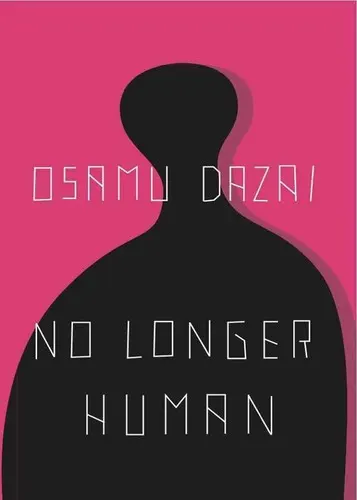
Dazai’s narrator survives by playing the fool, turning charm into camouflage for a terror of being seen. Readers who recognized themselves in Kochan’s calculated expressions and ceaseless self-surveillance will find an unnerving counterpart here: another man who experiences ordinary social life as theater and suspects that no authentic self exists beneath the role.
A modern Japanese classic with an extraordinarily devoted readership, No Longer Human is plainer and more desperate than Mishima, but equally ruthless about complicity in one’s own concealment. Its apparent simplicity is a trap; few novels make alienation feel so intimate or leave such a lasting doubt about where confession ends and performance begins.

The Immoralist offers the dangerous pleasure of watching a cultivated man reinterpret his life under the pressure of newly awakened appetite. Like Confessions of a Mask, it is structured as a confession yet refuses the comfort of repentance: its speaker analyzes himself elegantly, persuasively, and perhaps dishonestly, making the reader both confidant and judge.
Gide’s spare, sensuous novel became a landmark of twentieth-century literature because it treats liberation not as an uncomplicated good but as an idea with victims, evasions, and seductive rhetoric. Anyone captivated by Mishima’s tension between discipline and forbidden desire should read this brilliant precursor—the book’s moral unease only deepens after its final page.

Baldwin takes the shame, concealment, and divided desire that Kochan intellectualizes and makes them emotionally immediate. His American narrator, living in Paris, has built his masculinity as a defensive fiction; when he meets Giovanni, desire threatens not merely his plans but the entire identity through which he has learned to appear acceptable.
Published in 1956 and now regarded as a defining queer novel, Giovanni’s Room has the compressed force of tragedy and some of Baldwin’s most beautiful prose. It is less fascinated by the mask as aesthetic object than by what the mask does to other people. That difference makes it essential: after Mishima’s dazzling anatomy of secrecy, Baldwin reveals its human cost.