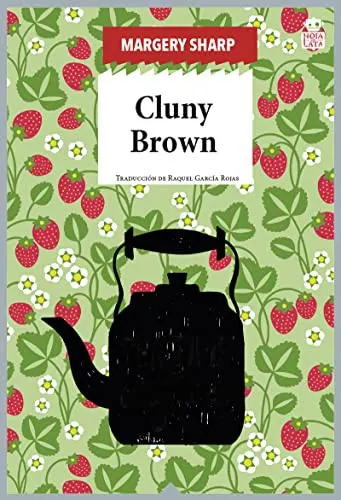
Books like Cluny Brown
Cluny Brown and Winifred Watson’s Miss Pettigrew Lives for a Day are rare comic novels in which a woman’s supposed unsuitability turns out to be her passport to life.
If you liked Cluny Brown, you’ll love these
Not lookalikes — kindred books. Each one shares something essential with Cluny Brown, and we tell you exactly what.
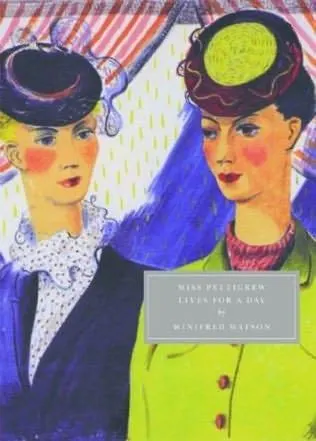
A struggling governess is sent to the wrong address and abruptly enters the glamorous, precarious world of a nightclub singer. Like Cluny, Miss Pettigrew has abilities that polite society has misnamed deficiencies; once removed from her assigned place, she becomes magnificently capable.
Watson’s comedy has Sharp’s buoyancy, rapid social observation, and faith that liberation can be both ridiculous and real. Long out of print before Persephone Books revived it, the novel became a cherished rediscovery because its Cinderella pleasures never require its heroine to become someone else. It is nearly impossible to read without wanting Miss Pettigrew’s astonishing day to last longer.

Flora Poste approaches a household full of theatrical misery with good manners, common sense, and an unshakable conviction that life can be rearranged. Her composure has the same subversive force as Cluny’s plumbing: both expose the absurdity of rules everyone else treats as natural law.
Gibbons’s celebrated satire is broader and more mischievous than Sharp’s, demolishing gloomy literary conventions along with family pretensions. Yet beneath its famous jokes—including the endlessly quoted “something nasty in the woodshed”—lies a similarly generous idea: eccentric people need not be cured, only released from the stories trapping them. Few comic novels produce such exhilaration from sheer competence.
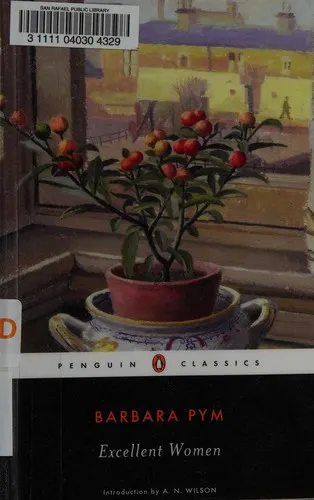
Mildred Lathbury is one of those unmarried women whom everyone assumes will arrange the flowers, make the tea, and absorb other people’s crises. Her quiet narration reveals how much vanity and appetite she notices while appearing merely useful. A reader who delighted in Sharp’s mockery of class and gender expectations will recognize the pleasure of watching an underestimated woman understand the room better than anyone in it.
Pym’s comedy is drier than Sharp’s and touched with loneliness, but every mild phrase can conceal a pin. After years of neglect, Pym’s career was famously revived when Philip Larkin and Lord David Cecil championed her; this novel remains central to her devoted readership. Mildred may seem less rebellious than Cluny, but her intelligence steadily redraws the boundaries of the life allotted to her—and missing her company would be a genuine deprivation.