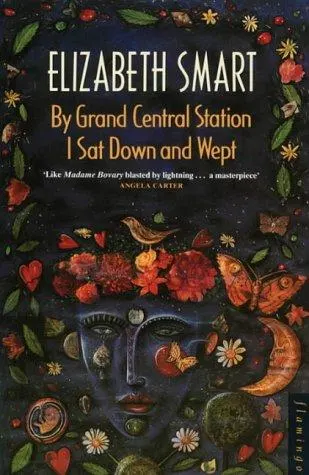
Books like By Grand Central Station I Sat Down and Wept
The ideal reader for Elizabeth Smart’s masterpiece wants passion without protective irony: prose that risks extravagance, treats desire as revelation and catastrophe, and makes emotional excess feel like a form of exactness.
If you liked By Grand Central Station I Sat Down and Wept, you’ll love these
Not lookalikes — kindred books. Each one shares something essential with By Grand Central Station I Sat Down and Wept, and we tell you exactly what.
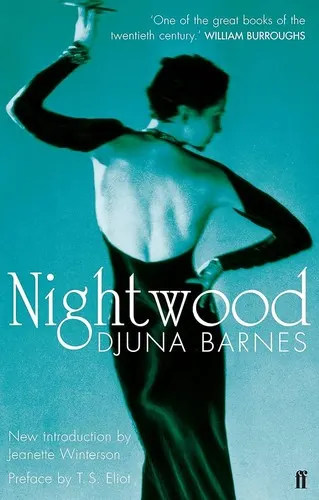
Barnes shares Smart’s conviction that doomed love requires a language at once sacred, theatrical, and nearly ungovernable. Her lovers inhabit a nocturnal world where desire becomes abasement, ritual, illness, and faith; the sentences coil through aphorism and baroque lament as if ordinary realism were too small for what the characters suffer.
T. S. Eliot helped secure the novel’s publication, and it has endured as a modernist classic not through accessibility but through the fierce devotion it inspires. If Smart’s biblical cadences and magnificent refusal of emotional moderation are what seized you, Nightwood is indispensable: darker, stranger, and every bit as intoxicated by the eloquence of heartbreak.

Winterson turns erotic obsession into an anatomy lesson. An unnamed, ungendered narrator falls in love with the married Louise, then begins reading the beloved’s body as geography, scripture, and mortal matter. The conceit could have been decorative; instead, Winterson makes it devastatingly concrete, moving between reckless declarations and precise meditations on cells, skin, blood, and bone.
This is perhaps the clearest inheritor of Smart’s belief that love must remake prose itself. Yet Winterson’s wit and formal control keep the rapture from becoming imitation. Written on the Body has become a touchstone of queer literature and one of Winterson’s most passionately cherished novels because it understands that the body is both what desire worships and what time can take away.
For the reader who loved Smart not simply for romance but for the frightening extremity of her consciousness, Lispector goes further. A wealthy woman enters her former maid’s room, encounters something repellent, and finds her stable identity beginning to dissolve. From that stark opening, the novel becomes an intimate spiritual crisis conducted in language that is incantatory, recursive, and startlingly alive.
Smart turns adulterous love into apocalypse; Lispector finds apocalypse inside perception itself. The result is less lush but even more radical—a book in which ecstasy and disgust, annihilation and revelation become inseparable. Lispector’s reputation as one of the twentieth century’s most singular novelists rests partly on this work. Missing it would mean missing one of the few novels that can genuinely match Smart’s willingness to stake everything on a single, consuming state of being.