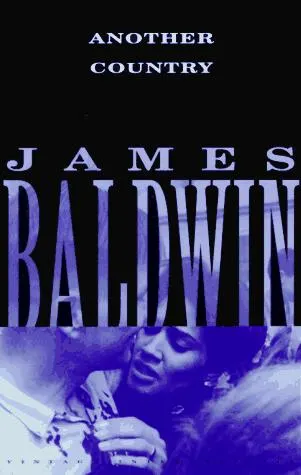
Books like Another Country
The reader who falls hardest for Another Country wants fiction that treats love as both refuge and ordeal—where race, sex, friendship, and self-deception collide, and beautiful prose never excuses ugly behavior.
If you liked Another Country, you’ll love these
Not lookalikes — kindred books. Each one shares something essential with Another Country, and we tell you exactly what.
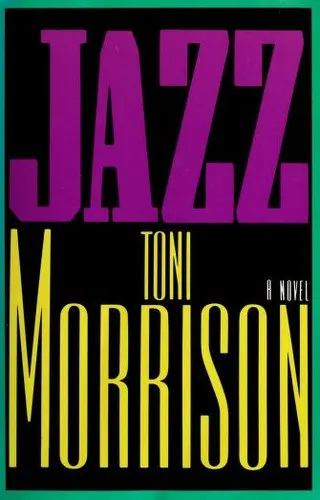
Morrison begins with a marriage ruptured by an affair and an act of violence, then lets the story change shape as each consciousness revises what seemed settled. Like Baldwin, she understands that betrayal is never only private: history, migration, loneliness, and racial injury enter the bedroom too.
The novel’s voice riffs, doubles back, and contradicts itself like the music in its title. Yet beneath that formal brilliance is the same painful question that drives Another Country: can intimate knowledge of another person save us, or does it merely give us better ways to wound them? Morrison’s reputation needs no bolstering, but Jazz remains one of her most exhilarating novels—sensuous, dangerous, and inexhaustible.
Over the course of a summer weekend, Wallace, a Black queer graduate student, moves among friends whose sympathy often conceals condescension, competition, and cruelty. Taylor makes a dinner or casual conversation feel as volatile as Baldwin does: every remark carries accumulated grievances, racial assumptions, erotic possibilities, and the threat of humiliation.
Where Another Country surges, Real Life applies pressure with icy precision. Wallace’s reserve is not emptiness but armor, and Taylor is unsparing about the ways wounded people demand tenderness while making themselves impossible to reach. This Booker-shortlisted debut announced a major novelist; anyone gripped by Baldwin’s anatomies of friendship will recognize its emotional danger immediately.
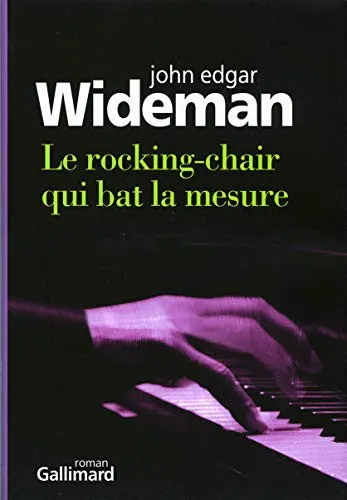
In Pittsburgh’s Homewood neighborhood, Wideman gathers the lives of Carl, Lucy, Albert Wilkes, and Brother Tate into a communal story carried by memory, rumor, music, and grief. Individual voices seem to answer and alter one another, creating the sense—so crucial to Another Country—that nobody’s tragedy belongs to them alone.
Wideman’s prose can be incantatory one moment and streetwise the next. He writes Black life without simplifying either its suffering or its abundance, and he shares Baldwin’s refusal to separate racial history from the mysteries of love and loyalty. Winner of the PEN/Faulkner Award, this is a profound, fiercely musical novel that deserves the devoted readership accorded to Baldwin’s best work.