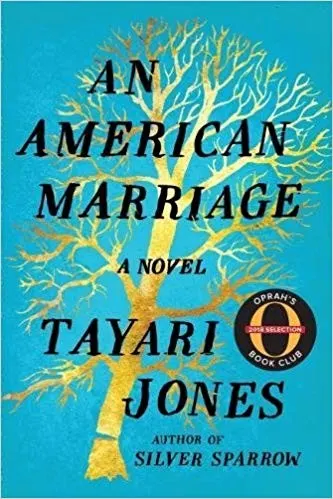
Books like An American Marriage
What lingers is the ache of seeing love from both sides: private loyalty colliding with injustice, family pressure, and choices for which no one is wholly innocent. These novels offer the same emotional intelligence and gift for continually rearranging your sympathies.
If you liked An American Marriage, you’ll love these
Not lookalikes — kindred books. Each one shares something essential with An American Marriage, and we tell you exactly what.

Yejide and Akin begin with a marriage they believe belongs only to them. But infertility, family demands, and social expectations steadily invade it, turning devotion into secrecy and desperation. Adébáyọ̀ lets both spouses speak, so every apparent betrayal acquires another meaning when viewed from the other side.
Like Jones, she understands that a marriage can be damaged by forces outside it without absolving the people inside it. This acclaimed, Women’s Prize–shortlisted debut is suspenseful without sacrificing psychological depth; its revelations hurt because Yejide and Akin have become so fully, painfully knowable.
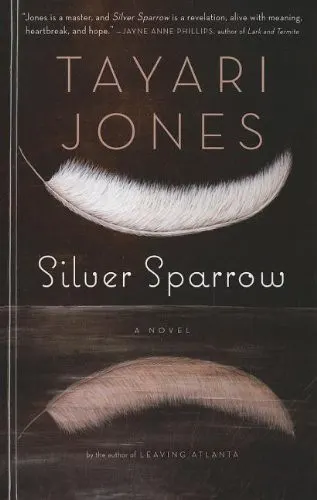
Jones’s earlier novel displays the same rare talent that powers An American Marriage: she can place two people in conflict, grant each an unimpeachable emotional claim, and make choosing between them feel impossible. Here, two teenage girls share a father, but only one knows that his other family exists. When the narration passes from one girl to the other, the novel’s entire moral balance shifts.
The sentences are intimate and quietly cutting, especially when Jones writes about the unequal distribution of love—who receives it openly, who survives on scraps, and who is asked to keep another person’s happiness intact. Admirers often regard Silver Sparrow as one of Jones’s essential novels; missing it means missing another masterclass in divided loyalties from the writer who does them best.
Jende Jonga, a Cameroonian immigrant in New York, secures a job driving a Lehman Brothers executive, bringing two marriages and two versions of the American dream into uneasy proximity. Mbue is interested in what money, precarity, and status make people conceal from their spouses—and in how institutions reach into kitchens, bedrooms, and family arguments.
The kinship with An American Marriage lies in its refusal to separate public systems from private conduct. Every character makes compromises; Mbue keeps changing the angle until comfort looks fragile and envy looks complicated. Winner of the PEN/Faulkner Award, this is a generous, clear-eyed novel whose warmth makes its moral reckonings land even harder.