Books like American Psycho
A cab inches through Manhattan while blood-red words on a bank wall welcome its passengers to hell. These three novels share American Psycho’s corrosive comedy, moral vertigo, and fascination with voices deformed by appetite.
If you liked American Psycho, you’ll love these
Not lookalikes — kindred books. Each one shares something essential with American Psycho, and we tell you exactly what.
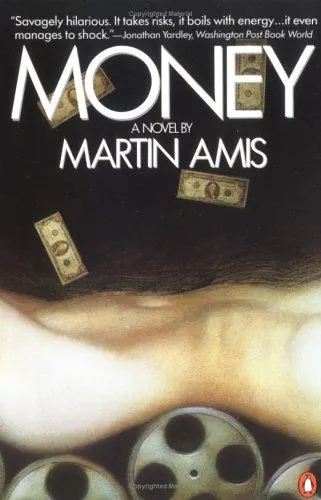
John Self, an advertising director ricocheting between London and New York, consumes pornography, fast food, alcohol, entertainment, and people with indiscriminate gusto. Like Patrick Bateman, he speaks in a voice manufactured by his culture: funny, repellent, compulsively readable, and incapable of recognizing its own spiritual ruin.
But Money is no imitation—it appeared seven years before American Psycho and became one of the defining novels of the 1980s. Amis turns brand names, vulgarity, and self-loathing into exuberant verbal comedy. If Ellis’s deadpan catalogues delighted you, Self’s manic torrent will feel like their louder, sweatier ancestor.
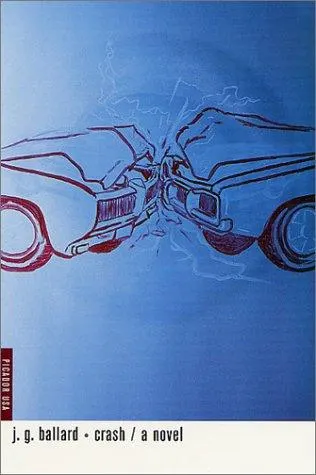
Ballard strips away Ellis’s black comedy and isolates something colder: the point at which consumer technology, celebrity, sex, and death become indistinguishable. Its narrator enters a small subculture obsessed with automobile collisions, described in prose as precise and affectless as an engineering diagram.
Few novels so completely refuse the reader a safe moral position. First published amid scandal and later filmed by David Cronenberg, Crash has endured because its extremity is intellectually exact: Ballard saw that modern desire would increasingly be mediated by machines and images. Readers haunted by American Psycho’s clinical violence and immaculate surfaces should encounter the novel that helped make such territory possible.
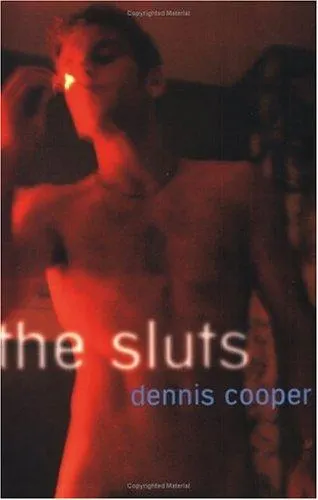
The Sluts unfolds through posts on an online forum where clients review male escorts. One young man becomes the object of escalating claims, corrections, fantasies, and accusations—but every apparent fact arrives through someone who may be lying, performing, or trying to buy control of the story.
Cooper transforms the consumer review into a form of horror. As in American Psycho, people become merchandise and language becomes a screen behind which desire can turn monstrous; unlike Ellis, Cooper distributes the unreliable voice across an entire digital crowd. Winner of both the Prix Sade and a Lambda Literary Award, this cult novel is formally audacious, viciously funny, and frighteningly prescient about internet spectatorship. Its short length only makes the trap snap shut faster.