
Books like All Quiet on the Western Front
The mud gets under your nails; the shelling numbs fear into routine; friendship becomes the last scrap of civilization. What hurts most is the sense of young men discovering that the ideals handed to them were worthless precisely when they needed them.
If you liked All Quiet on the Western Front, you’ll love these
Not lookalikes — kindred books. Each one shares something essential with All Quiet on the Western Front, and we tell you exactly what.
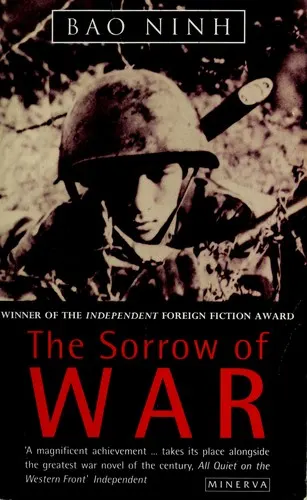
Kien, a North Vietnamese veteran, searches the jungle for soldiers’ remains while his memories circle through combat, lost comrades and a love the war has permanently altered. The fractured chronology makes trauma structural: the past does not stay past but repeatedly overruns the present.
Bao Ninh writes with Remarque’s tenderness toward ordinary soldiers and the same disgust for patriotic abstraction, yet his prose is more dreamlike and haunted. Winner of the Independent Foreign Fiction Prize and now regarded as a modern Vietnamese classic, this is the essential companion to Remarque: not another side’s war story, but another generation’s proof that war consumes its supposed victors too.
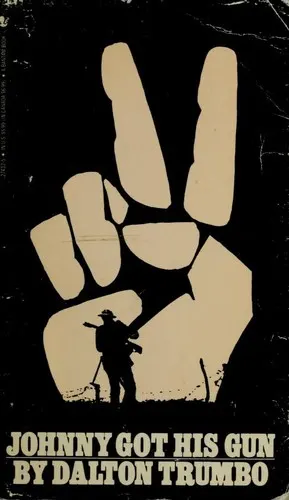
Remarque shows what mechanized war does to a group of young men; Trumbo compresses that horror into one wounded soldier awakening inside his own consciousness. From that brutally simple premise, he creates an almost unbearable struggle to think, remember and communicate.
The novel’s claustrophobia is extraordinary, but so is its humanity: memories of family, work and first love keep pushing against the machinery that has reduced a person to military damage. Winner of the 1939 National Book Award for Most Original Book, it became an enduring antiwar classic because its accusation cannot be softened into noble sacrifice. Readers shaken by Remarque’s physical immediacy will find Trumbo’s vision even harder to escape.
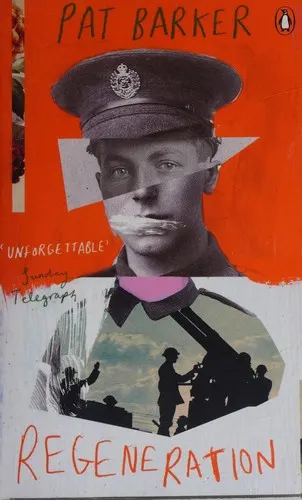
Barker moves from the trenches to Craiglockhart War Hospital, where the army sends psychologically wounded officers—including the poet Siegfried Sassoon—to be made fit for service again. Her masterstroke is Dr. W. H. R. Rivers: humane, perceptive and painfully aware that healing his patients may mean returning them to the source of their suffering.
Where Remarque exposes betrayal through a private soldier’s experience, Barker examines the institution quietly repairing men for further use. The conversations about nightmares, masculinity, class and duty are as tense as combat scenes, and her historical figures never feel embalmed. This Booker-shortlisted novel began the celebrated trilogy that culminated in the Booker-winning The Ghost Road; missing it means missing one of fiction’s most intelligent accounts of how war continues inside the mind.