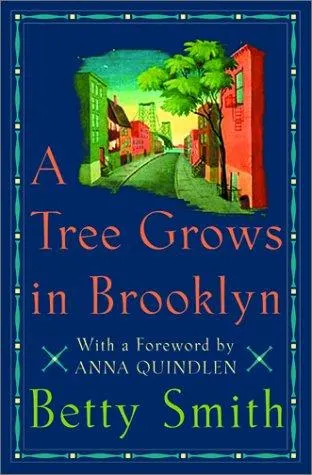
Books like A Tree Grows in Brooklyn
You’ll find the same sustaining mixture of hardship, family loyalty, intellectual hunger, and unsentimental hope in these three novels.
If you liked A Tree Grows in Brooklyn, you’ll love these
Not lookalikes — kindred books. Each one shares something essential with A Tree Grows in Brooklyn, and we tell you exactly what.
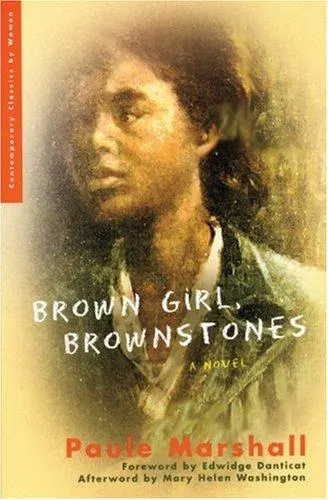
Selina Boyce grows up among Barbadian immigrants whose Brooklyn brownstones represent security, sacrifice, and fierce aspiration. Like Francie Nolan, she is observant enough to love her family while seeing its fractures clearly. Her struggle between a formidable, practical mother and a charming, unreliable father gives the novel much of its emotional force.
Marshall’s acclaimed 1959 debut has become a landmark of Caribbean American literature, but it never feels dutiful or monumental: it is alive with arguments, gossip, sensual detail, and a young woman’s resistance to being shaped by other people’s dreams. For anyone who treasured Betty Smith’s understanding of how money, pride, and imagination govern a household, this is essential reading.

Seventeen-year-old Cassandra Mortmain records life in a crumbling English castle, where her eccentric family possesses abundant imagination and almost no money. The setting could hardly be farther from Williamsburg, yet Cassandra shares Francie’s gift for turning deprivation into material for thought. She notices comedy without denying pain, reads voraciously, and gradually discovers that observing life is not the same as understanding it.
Dodie Smith’s first novel has inspired generations of unusually devoted readers because Cassandra’s voice is witty, intimate, and piercingly honest. Its shabby rooms, improvised meals, difficult parents, and flashes of beauty create precisely the kind of world that becomes more beloved because the book refuses to sentimentalize it.

Ferrante begins with two clever girls, Elena and Lila, growing up in a poor, violent Naples neighborhood where education may offer escape—but talent, family obligation, and opportunity are distributed brutally unevenly. The novel understands, as A Tree Grows in Brooklyn does, that a child’s developing mind can be a form of rebellion.
What makes this opening volume of the internationally celebrated Neapolitan quartet irresistible is the intensity of its central friendship: admiration and rivalry sharpen each girl’s intelligence. Around them, Ferrante builds an entire community of feuds, trades, marriages, humiliations, and ambitions. If Francie’s determination to claim a larger life moved you, Elena and Lila’s struggle to imagine what “larger” might mean will be very difficult to leave behind.