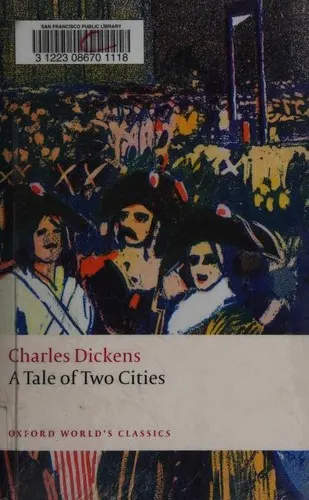
Books like A Tale of Two Cities
Its crowds and tumbrils may supply the thunder, but A Tale of Two Cities endures because Dickens turns self-sacrifice into something at once intimate, theatrical, and morally overwhelming.
If you liked A Tale of Two Cities, you’ll love these
Not lookalikes — kindred books. Each one shares something essential with A Tale of Two Cities, and we tell you exactly what.

No novel more fully shares Dickens’s belief that one act of mercy can reverberate through an entire society. Hugo begins with an embittered ex-convict and a bishop’s startling kindness, then expands outward into a vast drama of poverty, law, love, insurrection, and redemption.
Like Dickens, Hugo is unabashedly emotional: he wants suspense to tighten your chest and moral grandeur to break your heart. His characters are pursued by old identities, tested by impossible choices, and repeatedly asked whether justice without compassion deserves the name. One of the defining novels of the nineteenth century, Les Misérables offers the rare prospect of something even larger than A Tale of Two Cities without surrendering its human core.
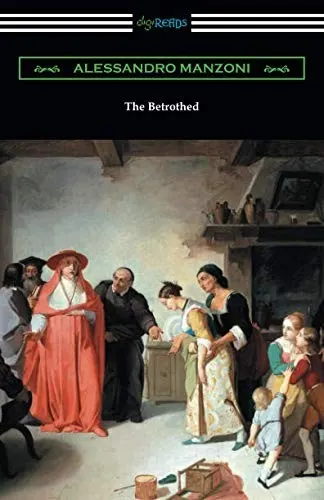
Renzo and Lucia wish to marry; a local tyrant decides they will not. From that simple obstruction, Manzoni builds a sweeping historical novel in which private happiness is buffeted by corrupt power, public panic, war, plague, and the unpredictable movements of a crowd.
The kinship with Dickens lies in the orchestration: villainy and comedy beside suffering, breathless reversals beside searching moral reflection, ordinary people caught inside history yet never reduced to symbols. Manzoni also possesses Dickens’s fascination with conscience—especially the moment when fear, guilt, or grace makes a person newly visible to himself. The foundational classic of the Italian novel, The Betrothed deserves a far larger English-language readership; admirers of Dickens are particularly likely to wonder why they waited.
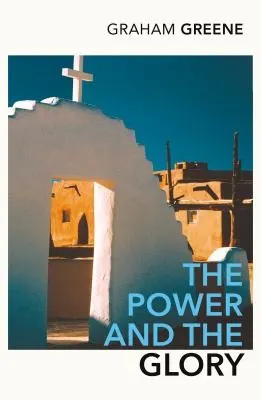
For the reader most moved by Sydney Carton, this is the sharpest recommendation. In a Mexican state where the Church has been outlawed, a hunted priest—frightened, compromised, and painfully aware of his failures—tries to evade the authorities. Greene strips away Dickens’s pageantry but preserves the crucial question: can a deeply flawed person still rise to an act of genuine courage?
The pursuit gives the novel the pressure of a thriller, while Greene’s unsparing moral intelligence prevents easy sainthood or easy condemnation. Often regarded as his masterpiece, The Power and the Glory makes sacrifice feel neither decorative nor inevitable, but terrifyingly difficult. Its final force comes from the same paradox that gives A Tale of Two Cities its greatness: a wasted life may not be beyond redemption.