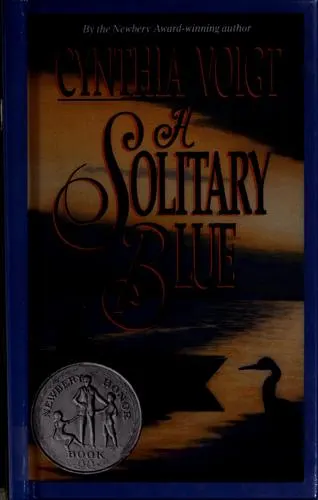
Books like A Solitary Blue
Reading A Solitary Blue is like watching a wary child slowly learn the difference between dazzling affection and dependable love. Its deepest movements are nearly silent: a parent’s gesture, a retreat into solitude, a small choice to trust. These novels possess that same unsentimental emotional precision.
If you liked A Solitary Blue, you’ll love these
Not lookalikes — kindred books. Each one shares something essential with A Solitary Blue, and we tell you exactly what.
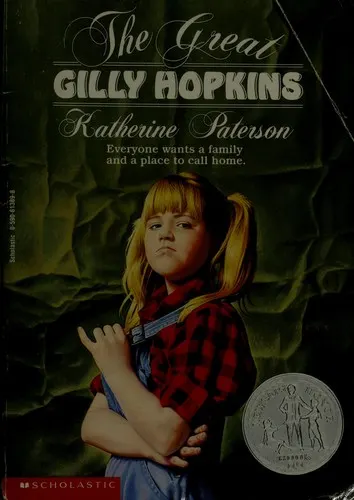
Jeff Greene protects himself by withdrawing; Gilly Hopkins does it by attacking first. Brilliant, furious, and determined not to need anyone, she arrives at yet another foster home while worshipping the glamorous absent mother she barely knows. Readers of A Solitary Blue will recognize the perilous gap between the parent a child imagines and the people who actually provide care.
Paterson never makes Gilly sweet merely to make her lovable. The comedy is sharp, the hurt sharper, and every change of feeling is earned. A National Book Award winner and Newbery Honor book, it remains one of children’s literature’s most honest novels about abandonment—and about how humiliating, frightening, and necessary it can be to accept love.
This Newbery Honor novel matches Voigt’s gift for making a quiet child’s inner life feel momentous. Eleven-year-old Ned fires a forbidden air rifle into the darkness; when a wounded one-eyed cat appears nearby, uncertainty and guilt begin to colonize his thoughts. Fox renders conscience through glances, silences, household tensions, and close observation of animals and weather.
Like Jeff, Ned has a reserved father whose love can be difficult to read, and he carries distress alone because speech feels impossible. The prose is lucid and restrained, never forcing emotion—so its moments of recognition strike with unusual force. Readers who treasure the stillness of A Solitary Blue should not miss this small, exquisitely controlled novel.
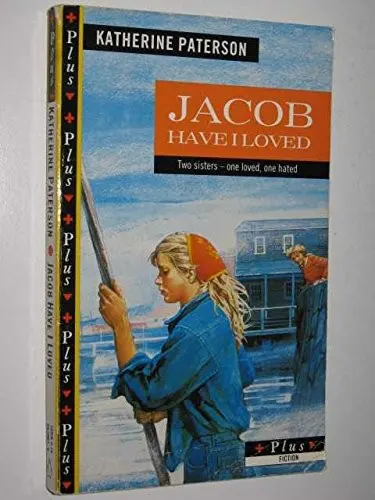
The shared Chesapeake landscape is the least important resemblance. What truly links Paterson’s Newbery Medal winner to A Solitary Blue is its fearless attention to resentment: the painful conviction that someone else has received all the beauty, attention, and possibility that should have been yours.
Sara Louise Bradshaw grows up beside a gifted twin sister who seems to draw admiration as naturally as breathing. Paterson allows Louise to be jealous, harsh, perceptive, and hungry for a life she cannot yet name. The island’s storms, mud, crabs, and confined horizons become the physical language of that struggle. Few novels portray the long work of separating one’s identity from a family’s version of it with such severity or compassion.