Author
Books like Wole Soyinka
3 books we recommend to Wole Soyinka readers, drawn from The Interpreters — each with the reason why.
If you loved The Interpreters
Laing’s Accra is not merely depicted; it talks, improvises, and mutates. Professors, bureaucrats, hustlers, mystics, and exhausted idealists collide in a city whose language is as unruly as its social life. Like Soyinka, Laing trusts readers to find their bearings amid shifting perspectives, private jokes, philosophical arguments, and sudden lyrical flights.
This cult classic of African modernism is the closest match for the exhilarating density of The Interpreters. Its verbal inventions can make a street corner seem metaphysical and a pompous speech hilariously physical. Readers devoted to Soyinka’s ensemble portrait of educated, compromised, still-searching people should not miss this audacious Ghanaian counterpart.
Baako returns to Ghana after years abroad intending to work as a filmmaker, but his family expects his homecoming to produce visible prosperity—the coveted consumer goods known as “cargo.” Armah turns that conflict into a fierce examination of what happens when artistic purpose, family obligation, and a society’s appetite for status become impossible to reconcile.
The kinship with The Interpreters lies in the pressure placed upon conscience. Armah’s fractured chronology, recurring symbols, and intensely sensory prose make moral corruption feel almost tangible, while Baako’s isolation recalls Soyinka’s most vulnerable interpreters without becoming an imitation of them. A foundational post-independence novel, Fragments is severe, formally controlled, and haunting; its images lodge in the mind long after its arguments have ended.
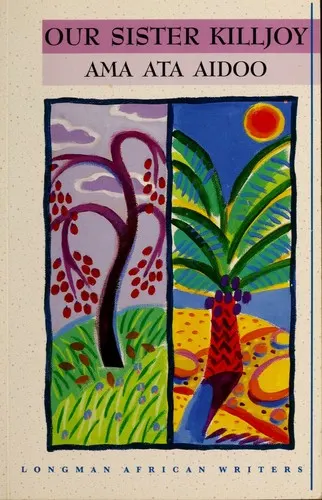
Sissie, a young Ghanaian travelling through Europe on a scholarship, observes everything with an intelligence too sharp for diplomatic politeness. Her encounters in Germany and England become occasions for comedy, anger, desire, and an unsparing scrutiny of both European liberalism and the evasions of African intellectuals abroad.
Aidoo’s celebrated feminist classic moves between prose, verse, letters, and direct address. That formal restlessness will appeal to readers who love how Soyinka makes interpretation itself dramatic: every judgment exposes the person making it. Sissie’s mordant voice has won generations of devoted readers because she refuses consolation, fashionable rhetoric, or easy innocence. Skipping this brief, blazing novel would mean missing one of African literature’s great performances of critical wit.