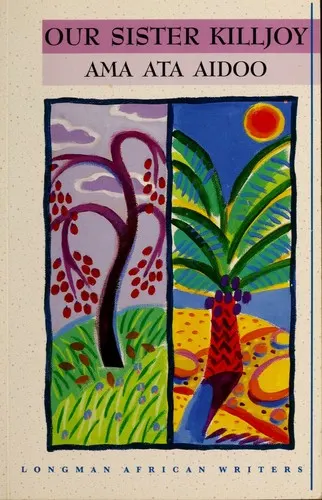
Books like Our Sister Killjoy
Stay in that bracing atmosphere where travel sharpens anger, desire unsettles political certainty, and a woman’s voice refuses to make herself agreeable.
If you liked Our Sister Killjoy, you’ll love these
Not lookalikes — kindred books. Each one shares something essential with Our Sister Killjoy, and we tell you exactly what.
Veronica, a Guadeloupean teacher, travels to a newly independent West African country seeking an ancestral home and finds that neither revolutionary rhetoric nor erotic attachment will supply an easy belonging. Like Sissie, she is an intelligent, difficult traveler whose gaze exposes fantasies on every side—including her own.
Condé’s irony is merciless about race, nationalism, gender, and the sentimental idea of return. Yet Veronica’s compromised, searching voice prevents the novel from becoming a tidy political lesson. This audacious debut announced one of the great Francophone Caribbean novelists: anyone exhilarated by Aidoo’s refusal to flatter Africa, Europe, or her heroine should not miss Condé’s equally dangerous scrutiny.
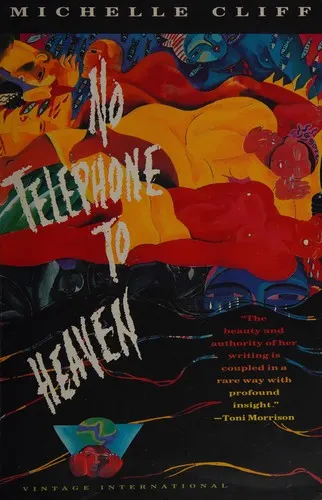
Michelle Cliff builds this novel from fragments: memories, abrupt shifts of place and register, colonial history, violence, desire. At its center is Clare Savage, a light-skinned Jamaican woman trying to understand what race, class, sexuality, and inherited empire have made of her. The form does not decorate that predicament; it enacts a consciousness that cannot be fitted neatly into one country or identity.
Readers who loved Aidoo’s movement between story, poetry, polemic, and intimate address will recognize the same faith in formal disruption. A central work of Caribbean feminist and queer writing, No Telephone to Heaven is fierce, sensuous, and intellectually alive—a novel that makes conventional realism feel inadequate to the histories it confronts.
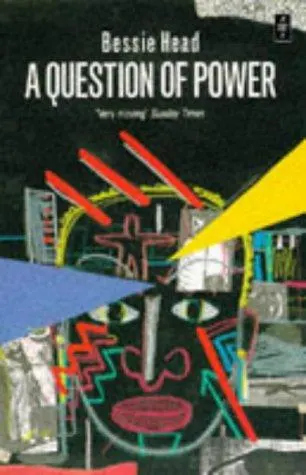
Elizabeth, an exile living with her young son in Botswana, finds her inner life overtaken by terrifying figures who stage battles over sex, cruelty, domination, and spiritual authority. Bessie Head turns psychological crisis into an inquiry about power itself: who possesses it, why humiliation can resemble intimacy, and whether a self can be rebuilt outside the systems that have injured it.
Where Aidoo uses wit and satire as blades, Head writes with hallucinatory pressure. Both refuse to separate private anguish from colonial and patriarchal structures, and both grant an African woman’s consciousness enormous philosophical weight. Long recognized as Head’s most daring novel, A Question of Power is harrowing—but its strange intensity and hard-won moral vision are unforgettable.