Author
Books like Voltaire
3 books we recommend to Voltaire readers, drawn from Candide — each with the reason why.
If you loved Candide
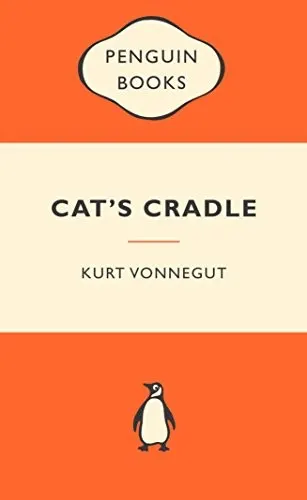
Vonnegut is Voltaire’s great twentieth-century accomplice: brief chapters, guileless sentences and jokes whose implications grow more appalling the longer you consider them. The narrator begins by researching a book about the day Hiroshima was bombed and encounters a scientist’s strange family, a potentially ruinous invention and Bokononism—a religion that cheerfully admits its teachings are lies.
Like Candide, this modern classic tests consoling philosophies against human cruelty and stupidity. Its invented scripture is irresistibly quotable, but the comedy never cushions the indictment. Few novels turn civilization’s gravest dangers into something so light, swift and lethal.
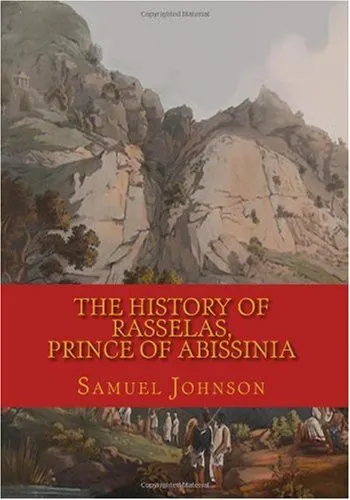
Published in 1759, the same year as Candide, Rasselas feels like its grave, contemplative twin. A prince raised in an artificial paradise discovers that guaranteed pleasure cannot make him happy, so he begins investigating how life ought to be lived. Every promising answer—wealth, solitude, scholarship, power—meets Johnson’s formidable skepticism.
Where Voltaire attacks optimism with slapstick catastrophe, Johnson dismantles it through measured conversation and melancholy irony. His stately prose rewards rereading, and the novel’s refusal to package happiness into a doctrine makes it one of the most enduring philosophical tales in English. Reading it after Candide is like hearing another brilliant mind answer the same impossible question in a lower, darker key.
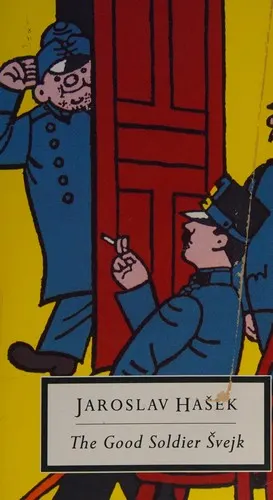
Švejk, a Prague dog dealer arrested after an ill-judged conversation about the assassination at Sarajevo, confronts authority with inexhaustible politeness and suspiciously perfect stupidity. Does he misunderstand every order, or obey so literally that obedience becomes sabotage? Hašek never settles the question, and that ambiguity powers a magnificent assault on military reason.
This unfinished Czech masterpiece is roomier and more digressive than Candide, but it has the same cumulative method: institution after institution exposes itself merely by operating normally. Priests, doctors, policemen and officers speak in official formulas while the world slides into madness. Švejk became both a national archetype and one of literature’s defining antiwar figures; missing him means missing perhaps the funniest embodiment of survival through strategic innocence.