Author
Books like Vajra Chandrasekera
3 books we recommend to Vajra Chandrasekera readers, drawn from The Saint of Bright Doors — each with the reason why.
If you loved The Saint of Bright Doors
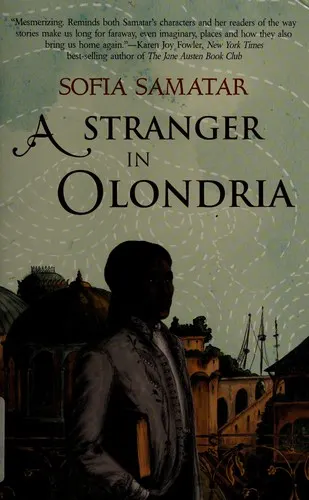
Jevick, raised on an island where books are scarce, arrives in the literary culture he has worshipped from afar—and discovers that reading, haunting, and religious authority are inseparable.
Samatar’s exquisite prose makes ideas feel sensuous, but this World Fantasy Award winner is no ornamental dream. Like Chandrasekera, she asks who gets to define a miracle, whose testimony becomes doctrine, and how institutions appropriate private suffering. Both novels also mistrust the apparent solidity of their narrators: stories multiply around them, exposing the political force of language itself. Few fantasies make literacy feel so intoxicating—or so dangerous.
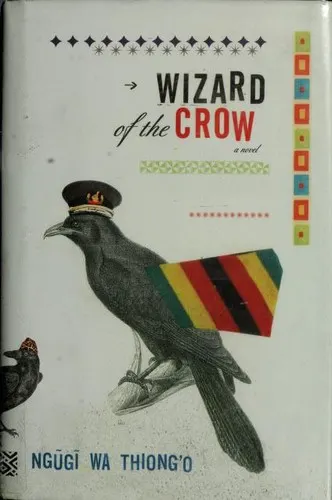
In the dictatorship of Aburĩria, presidential vanity becomes national policy, bureaucratic nonsense acquires deadly consequences, and two ordinary dissidents accidentally create a legendary sorcerer.
Ngũgĩ’s monumental satire has the same gift for literalizing political madness that powers The Saint of Bright Doors. Queues, official slogans, foreign loans, bodily transformations, and folk magic all belong to one grotesquely coherent system. Yet the comedy never makes oppression seem trivial; laughter becomes a way of diagnosing—and resisting—the stories power tells about itself. Written in Gĩkũyũ and translated by Ngũgĩ himself, it is one of the great modern novels of dictatorship: unruly, furious, and tremendously alive.
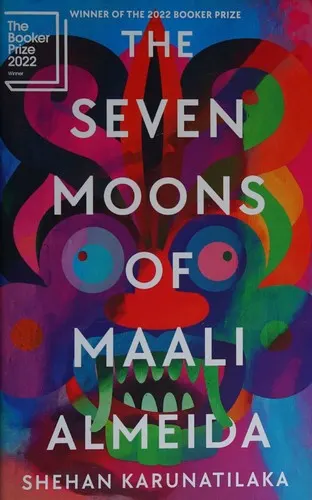
Maali Almeida wakes dead in an afterlife run with the efficiency and indifference of a failing government office. He has seven moons to understand what happened and attend to unfinished business in the world he has left behind.
The kinship here runs deeper than Sri Lanka or the supernatural. Karunatilaka, like Chandrasekera, turns metaphysics into administration and administration into horror-comedy. His compromised, sharp-tongued protagonist moves through a society where violence is both spectacular and routinely misfiled; the restless second-person narration implicates the reader in every evasion. Winner of the 2022 Booker Prize, this is a savage, exhilarating novel about memory, culpability, and the stories nations invent to keep their ghosts quiet.