Author
Books like Tomasz Jedrowski
3 books we recommend to Tomasz Jedrowski readers, drawn from Swimming in the Dark — each with the reason why.
If you loved Swimming in the Dark

A successful Hungarian writer hires Emerence, an imperious, secretive housekeeper, and gradually finds herself bound to her by affection, dependence, and mutual incomprehension. Like Swimming in the Dark, this is a confession shadowed from its first pages by betrayal: a narrator looks backward, trying to understand how love could coexist with a failure of courage.
Szabó makes life under communism felt not as historical scenery but as damaged trust, guarded speech, and fiercely protected privacy. Len Rix’s translation helped establish this Hungarian masterpiece internationally, and its reputation has only grown. Its central relationship is unforgettable—abrasive, funny, possessive, and devastating—and the final reckoning has the moral force of tragedy.
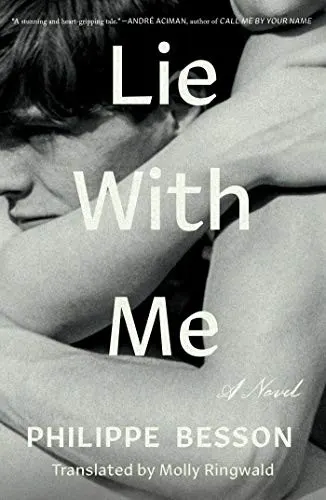
This slender French novel begins when a writer sees a young man who uncannily resembles his first love, sending him back to a clandestine affair between two schoolboys in 1984. Besson shares Jedrowski’s gift for making remembered desire feel physically immediate while never letting the reader forget that memory already knows what youth does not.
The prose, translated with elegant restraint by Molly Ringwald, is spare where Swimming in the Dark is lush, but the emotional effect is strikingly close: stolen meetings, class differences, shame, and the unbearable weight placed on gestures that must remain invisible. A French bestseller with a devoted international readership, it is brief enough to read in an evening and piercing enough to remain for years.
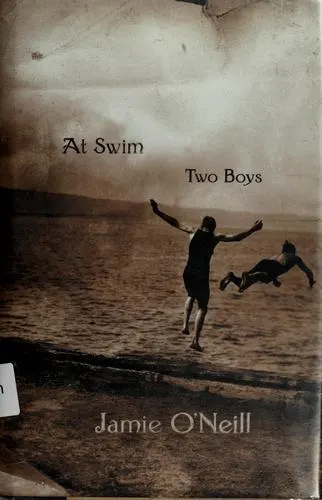
In Dublin in 1915, two boys make a pact to swim out to a distant beacon while political revolt gathers around them. What makes this kin to Jedrowski’s novel is not simply love amid history, but its searching question: what does national freedom mean when a country has no language for your freedom?
O’Neill gives the boys’ tenderness room to be awkward, bodily, comic, and sacred. Around them he builds a teeming Dublin in exuberant, Joycean prose, turning private longing and public revolution into parts of the same struggle to imagine another life. Since its 2001 publication, the novel has become a modern queer classic, loved with the fervor usually reserved for books that readers feel have enlarged their world. It is more demanding than Swimming in the Dark—and even harder to forget.