Author
Books like Tillie Olsen
3 books we recommend to Tillie Olsen readers, drawn from Yonnondio — each with the reason why.
If you loved Yonnondio
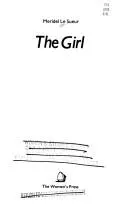
Like Olsen, Le Sueur writes Depression-era women from inside their hunger, fear, desire, and hard-won solidarity. Her unnamed young protagonist is not isolated as a social “case”: she becomes part of a chorus of working women whose speech gives the novel its raw, incantatory force. The language can turn abruptly from bodily suffering to startling beauty, just as Yonnondio moves between brutality and Mazie’s luminous perceptions.
Written in 1939 but rejected and not published until 1978, The Girl survived the silencing it depicts and became a touchstone of feminist working-class literature. It is the rare novel that feels at once documentary and mythic—a buried American classic that readers of Olsen should not leave buried.
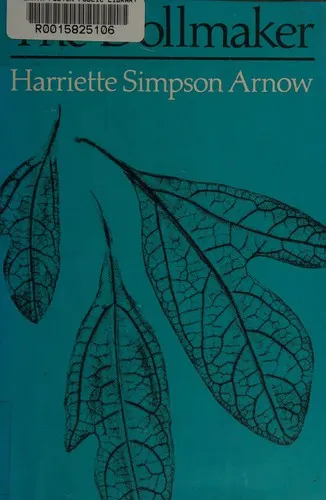
Arnow begins with Gertie Nevels carrying a desperately ill child toward medical help, and at once establishes her as physically capable, fiercely intelligent, and constrained by powers that mistake obedience for virtue. A lover of Yonnondio will recognize Olsen’s great subject here: the mother whose exhausting practical labor conceals an imaginative life every bit as serious as an artist’s.
Arnow renders food, tools, money, children’s bodies, and carved wood with tremendous tactile authority. Yet her realism never reduces Gertie to an emblem; it makes the narrowing of her possibilities intimate and morally devastating. Widely regarded as Arnow’s masterpiece and a classic of American working-class fiction, The Dollmaker gives maternal endurance the tragic scale usually reserved for kings.
Maud Martha begins with a child’s delight in dandelions—common, dismissed things whose beauty she sees precisely—and unfolds in short, burnished episodes. Readers drawn to Mazie’s consciousness will feel an immediate kinship with that power of attention: the ability to find color, comedy, and selfhood amid cramped rooms, domestic work, financial limits, and casual humiliations.
This is the only novel by Pulitzer Prize–winning poet Gwendolyn Brooks, and every sentence carries a poet’s pressure without sacrificing psychological exactness. Where Yonnondio is fragmentary because Olsen could not complete it, Maud Martha deliberately makes fragments sufficient: a meal, a thought, or a small refusal can disclose an entire life. Long underread and now recognized as a modern classic, it performs the radical act Olsen valued most—seeing an ordinary woman completely.