Author
Books like Tara June Winch
3 books we recommend to Tara June Winch readers, drawn from The Yield — each with the reason why.
If you loved The Yield
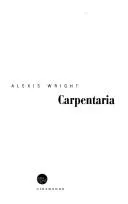
If Winch’s fusion of ancestral knowledge, political fury, sorrow, and comedy enthralled you, Carpentaria is indispensable. In the fictional Gulf town of Desperance, Wright makes Aboriginal sovereignty felt through the novel’s very form: gossip swells into epic, satire collides with scripture, and sea and weather possess an intelligence that official maps cannot comprehend.
Wright’s language is wilder and more torrential than Winch’s, but both writers expose the absurdity of colonial authority while refusing to reduce Indigenous life to suffering. Winner of the Miles Franklin Award, Carpentaria is one of the great Australian novels precisely because it demands that the nation be imagined on different terms.
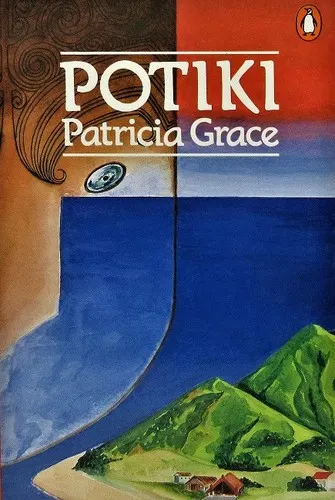
Potiki begins within a Māori coastal community whose meeting house, gardens, stories, and relationships bind the living to their ancestors. When developers covet the land, Grace makes clear that the threatened loss cannot be measured in acreage or money: it would sever an entire way of knowing.
A lover of The Yield will recognize the polyphony, the movement between generations, and the trust placed in Indigenous words and forms of storytelling. Yet Potiki has its own intimate, tidal rhythm; its resistance grows from daily work, hospitality, carving, memory, and collective responsibility. A New Zealand Book Award winner, it remains a quietly radical novel—brief enough to read in a sitting, capacious enough to alter how you understand land.
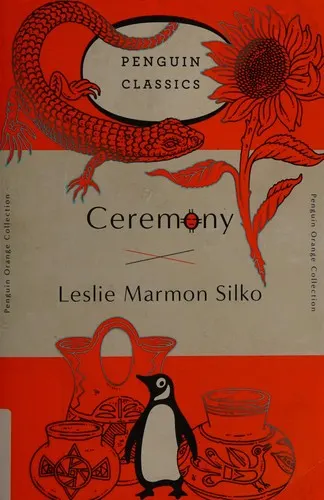
Tayo, a young Laguna Pueblo veteran, returns from the Second World War carrying grief that conventional medicine cannot reach. Silko interweaves his fractured consciousness with poems and traditional stories, gradually revealing that personal anguish, historical violence, and damage to the land cannot be healed separately.
What links Ceremony most deeply to The Yield is its belief that inherited language and story are active technologies of survival, not relics. Silko also refuses a comforting fantasy of cultural purity: ceremony must remain alive enough to change. Since its 1977 publication, the novel has become a foundational work of Native American literature, cherished because its formal daring serves something urgent—the possibility of becoming whole without forgetting what tried to break you.