Author
Books like Simone de Beauvoir
3 books we recommend to Simone de Beauvoir readers, drawn from The Mandarins — each with the reason why.
If you loved The Mandarins
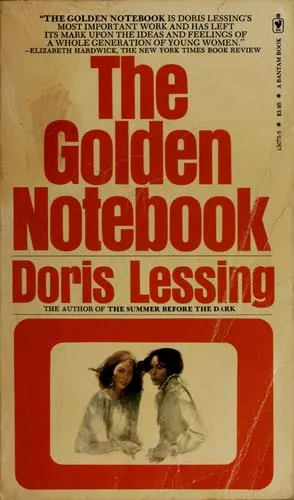
Anna Wulf, a novelist and former Communist, tries to keep the unruly parts of her life in separate notebooks: politics, fiction, memory, sex. As in The Mandarins, public commitment cannot be disentangled from private need, and ideological disillusionment registers not as an abstract change of mind but as damage to friendships, work, and identity.
Lessing’s form is daring, but her intelligence never chills the emotional life. Conversations between women have the candor, rivalry, humor, and buried pain of Beauvoir’s best scenes. Now both a feminist landmark and a fiercely debated classic, The Golden Notebook remains indispensable because it asks whether a woman can resist every role offered to her without herself coming apart.
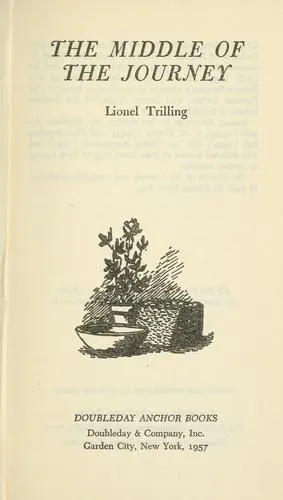
Trilling’s only novel begins with John Laskell, recently recovered from illness, visiting progressive friends in rural Connecticut, where he encounters a former Communist whose repudiation of the Party unsettles everyone’s moral certainties. What follows is a superbly controlled drama of intellectual friendship: every political position is also a temperament, a loyalty, and a way of evading unwelcome truths.
A lover of The Mandarins will recognize the excitement of watching intelligent people argue when argument carries personal risk. Trilling refuses the comfort of heroes and villains; liberals, radicals, and apostates all expose one another’s blind spots. Few political novels understand so precisely that changing your beliefs may mean betraying the people who helped form them.
An obscure clerk impulsively shoots a high Soviet official; from that stark opening, Serge sends the investigation outward through ministries, prisons, distant provinces, and revolutionary careers. The result is a panoramic novel about people trapped inside a cause to which they have given their deepest faith.
Where Beauvoir examines intellectuals deciding how far solidarity can survive political truth, Serge shows the terrible machinery behind that dilemma. Yet his great achievement is humane rather than doctrinal: apparatchiks, dissidents, exhausted veterans, and frightened functionaries all retain a flicker of inward freedom. Written by a revolutionary who knew persecution and exile firsthand, and widely regarded as Serge’s masterpiece, it is one of the essential novels of idealism corrupted without being wholly extinguished.