Author
Books like Sigrid Undset
3 books we recommend to Sigrid Undset readers, drawn from Kristin Lavransdatter — each with the reason why.
If you loved Kristin Lavransdatter
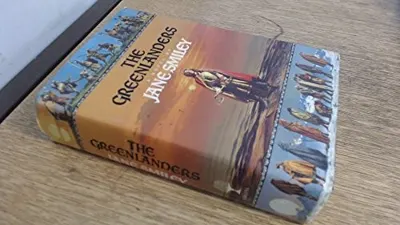
Smiley’s saga of a Norse settlement in medieval Greenland has Undset’s stern, clear-eyed grandeur. Its people marry, quarrel, farm, worship, bear children, nurse grudges, and endure a landscape that exposes every weakness. Like Undset, Smiley refuses to divide life into the spiritual and the practical: salvation, livestock, sexual jealousy, inheritance, and weather all exert real pressure.
Written in deliberately spare, saga-like prose, The Greenlanders accumulates extraordinary emotional force without instructing you what to feel. Smiley later won the Pulitzer for A Thousand Acres, but many devoted readers consider this earlier, stranger novel her masterpiece. Its world gradually becomes so complete that leaving it feels like waking from another lifetime.
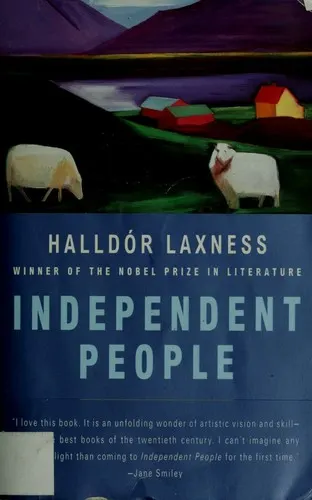
Bjartur of Summerhouses believes independence is the one indispensable virtue. He will accept hardship, loneliness, and almost any sacrifice rather than owe another person anything. That conviction gives Laxness’s novel both its magnificence and its heartbreak: as in Kristin Lavransdatter, character becomes destiny through countless choices that are understandable, stubborn, loving, and ruinous at once.
The Icelandic sheep farm is rendered with mud, hunger, bad coffee, poetry, appalling weather, and mordant comedy. Yet the book’s deepest subject is the price families pay for cherished ideals. Laxness, Iceland’s Nobel laureate, could make a crofter’s household feel as consequential as a kingdom. Independent People is harsher and funnier than Undset, but it possesses the same immense compassion for people who cannot escape what is greatest—and most destructive—in themselves.
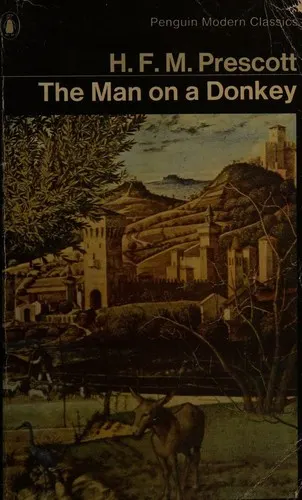
Prescott’s great novel of Tudor England begins in a society approaching religious and political convulsion, then enters that society through intimate lives: an unhappy marriage, a convent, noble households, servants, rebels, opportunists, and genuine seekers after God. Its panoramic design never reduces individuals to historical illustrations. Doctrine matters because people stake their identities, loyalties, and souls upon it.
This is the recommendation for the reader who especially loved Undset’s refusal to make medieval Christianity quaint or conveniently modern. Prescott understands faith as consolation, terror, discipline, mystery, and political force, while her dense, sensuous prose makes clothing, food, illness, prayer, and cruelty almost tangible. Long regarded by discerning historical-fiction readers as a neglected masterpiece, The Man on a Donkey has the scale of an epic and the painful inwardness of a confession.