Author
Books like Shirley Ann Grau
3 books we recommend to Shirley Ann Grau readers, drawn from The Keepers of the House — each with the reason why.
If you loved The Keepers of the House
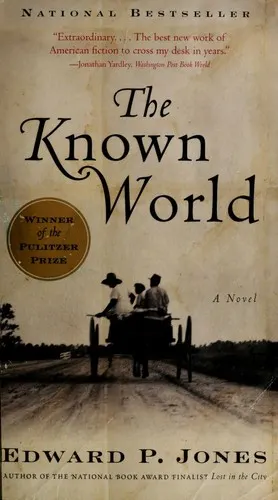
Like Grau, Jones treats property as both physical fact and moral poison. His Pulitzer Prize–winning novel opens with the death of Henry Townsend, a Black slaveholder in antebellum Virginia, then patiently reveals the unstable world gathered around his estate. No character is permitted the comfort of simple innocence, and every intimate bond is distorted by ownership.
Jones’s calm omniscient voice is the great seduction: it moves through lives and across generations with uncanny authority, making history feel at once vast and painfully domestic. If you admired Grau’s refusal to soften the entanglement of affection, exploitation, race, and inheritance, The Known World offers an even more capacious version of that achievement.
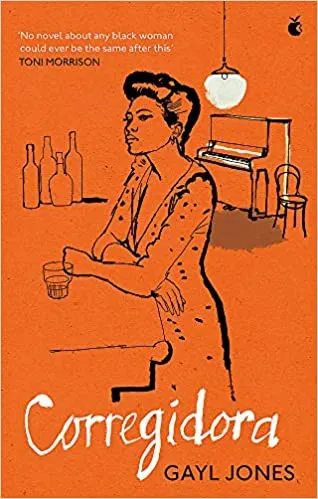
Corregidora takes the buried female history in Grau’s novel and turns it into a fierce, blues-like voice. Ursa Corregidora, a nightclub singer, has been raised on stories of the sexual violence endured by her foremothers—and on their demand that she preserve testimony through another generation. After an injury threatens that mandate, memory, desire, and identity become inseparable.
This is a shorter, more jagged novel than The Keepers of the House, but it has the same conviction that what a family suppresses remains active in the body. Edited by Toni Morrison and recognized since its 1975 publication as a transformative work of Black women’s fiction, Corregidora possesses the concentrated force of a song that will not release its listener.
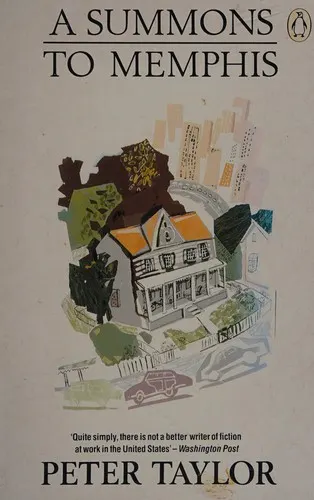
For the reader most captivated by Abigail Howland’s cold patience and the unsettling satisfactions of family revenge, Peter Taylor’s Pulitzer winner is indispensable. Phillip Carver is summoned home by his formidable sisters, who want his help preventing their elderly father from remarrying. Beneath that almost comic errand lies a lifetime of displacement, grievance, and covert retaliation.
Taylor, one of the great American anatomists of manners, makes courteous conversation feel as dangerous as open warfare. He understands, as Grau does, that families can convert injury into tradition and call it loyalty. The novel’s polished surfaces only sharpen its cruelty; by the end, even the idea of justice has become troublingly difficult to separate from punishment.