Author
Books like Shena Mackay
3 books we recommend to Shena Mackay readers, drawn from The Orchard on Fire — each with the reason why.
If you loved The Orchard on Fire
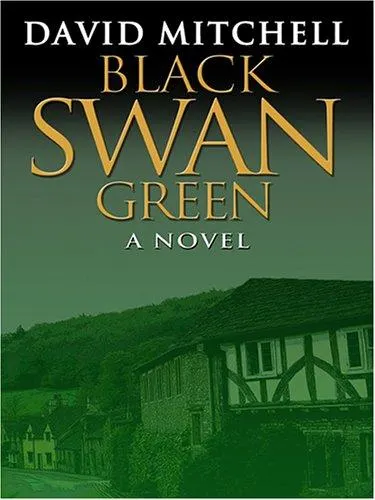
Mitchell builds Jason Taylor’s thirteenth year month by month, making village life feel both bounded and immense. Social humiliations acquire the force of catastrophes; woods, lanes and houses become charged territories; adults reveal more than Jason can understand. As in The Orchard on Fire, the reader is allowed to perceive dangers and compromises just beyond the child’s vocabulary.
This is Mitchell at his least showy and perhaps his most emotionally exact. His ear for cruelty, private shame and absurdity makes the novel painfully funny, while Jason’s alertness to words gives it a verbal richness Mackay readers will relish. It captures the perilous moment when an enchanted local world becomes legible—and can never be enchanted in quite the same way again.
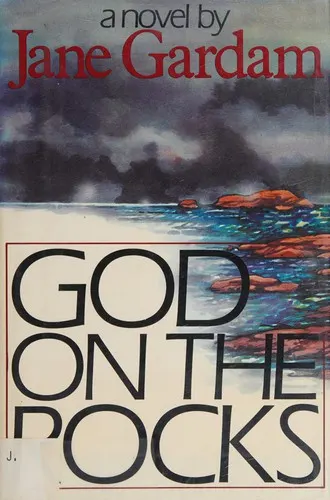
Eight-year-old Margaret Marsh lives under the rule of a severe religious father and a household newly unsettled by a baby. When her exuberant maid takes her on seaside excursions, Margaret begins encountering versions of adulthood that do not fit the moral scheme she has been taught.
Gardam shares Mackay’s gift for putting menace beside comedy without cancelling either. Her adults are vain, wounded, ridiculous and sometimes dangerous, but never reduced to specimens; Margaret watches them with the eerie receptiveness of a child who notices everything and interprets only half of it. Shortlisted for the Booker Prize, God on the Rocks is a small novel with astonishing tonal range—sunlit, grotesque, tender and quietly devastating.

Carmel McBain looks back on growing up in northern England and on the entwined lives of three girls who travel from convent schooling toward university in London. Mantel turns their shared history into a fiercely intelligent study of class, appetite, female friendship and the exhausting work of becoming someone new.
A lover of Mackay will recognize the unsentimental retrospective gaze: the adult narrator knows what the child missed, yet refuses to patronize her younger self. Mantel is especially acute about the small transactions through which girls learn rivalry, loyalty, self-denial and power. Winner of the Hawthornden Prize, this compact early novel already possesses the psychological precision and dark wit that later made Mantel famous. Its final accumulation of meaning is so controlled that the book seems to grow larger after you finish it.