Author
Books like Sharon Creech
3 books we recommend to Sharon Creech readers, drawn from Walk Two Moons — each with the reason why.
If you loved Walk Two Moons
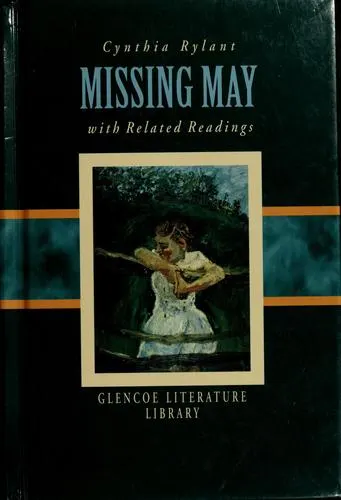
Summer has found a true home with Aunt May and Uncle Ob—until May dies, leaving both Summer and Ob unmoored. When Ob becomes convinced that May’s spirit may be reachable, they set out with an eccentric schoolmate named Cletus, whose oddness conceals an unexpectedly generous heart.
Like Walk Two Moons, this is a journey through grief in which hope can look foolish and foolishness can become a form of love. Rylant’s West Virginia prose is spare, warm, and quietly poetic; whole lives seem to gather around a few carefully chosen details. Winner of the Newbery Medal, this tiny novel has the emotional weight of a much longer book. Readers who loved Salamanca’s gradual recognition that sorrow must be carried rather than solved should not miss it.
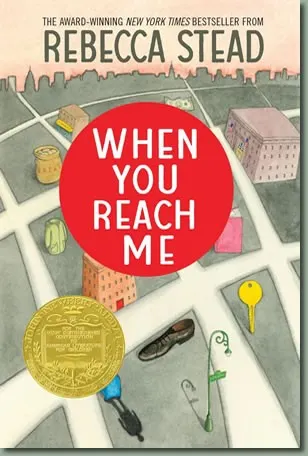
Miranda’s ordinary sixth-grade life begins to tilt when her best friend suddenly stops speaking to her and mysterious notes appear from someone who seems to know what will happen before it does. Stead turns these small disruptions into a beautifully engineered puzzle, planting details so naturally that their significance is almost invisible at first.
This Newbery Medal winner offers the particular pleasure of Walk Two Moons’s nested storytelling: apparently separate incidents gather meaning until the whole narrative changes shape. Yet the clever construction never overwhelms the human core. Miranda must learn to look beyond first impressions and imagine the private fears of people she has misjudged—the deepest lesson behind Creech’s title. Its ending makes many readers want to return immediately to page one.
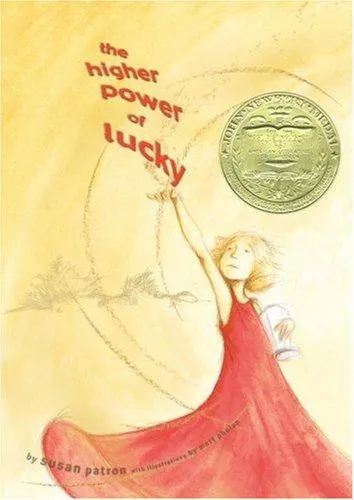
Ten-year-old Lucky eavesdrops on twelve-step meetings in the tiny desert town of Hard Pan, collecting stories about the moments when people hit bottom and discover a “Higher Power.” Secretly, she is searching for the knowledge that might keep her guardian, Brigitte, from abandoning her and returning to France.
Lucky has Salamanca’s alert, idiosyncratic voice: funny without trying to entertain us, observant without fully understanding what she sees. Patron surrounds her with memorably peculiar people, but never treats them as mere comic decoration; each carries loneliness, loyalty, and a story Lucky has not yet learned to read correctly. The novel’s Newbery Medal recognized exactly this balance of wit and emotional truth. It captures the terrifying childhood suspicion that love may disappear—and the courage required to trust it anyway.