Author
Books like Scott Smith
5 books we recommend to Scott Smith readers, drawn from The Ruins and A Simple Plan — each with the reason why.
If you loved The Ruins
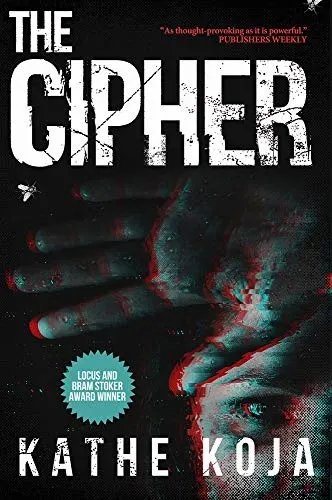
A failed poet and his dangerously magnetic lover discover an inexplicable black void in a storage room. Koja is less interested in explaining it than in showing what proximity to the unknowable does to appetite, identity, flesh, and an already unhealthy relationship.
This Bram Stoker Award-winning debut became a cult classic because its horror feels contaminating rather than theatrical. Its grungy intimacy is far removed from Smith’s clean, sunlit ordeal, but both novels make bodily violation horribly concrete and turn fascination into another kind of trap. The Cipher is abrasive, feverish, and difficult to shake—the rare cosmic-horror novel whose human damage is as disturbing as its impossible phenomenon.
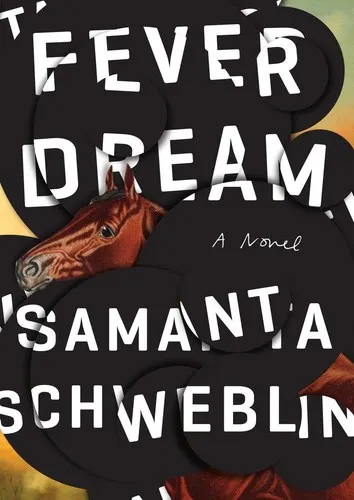
A dying woman lies in a clinic while a boy questions her, urgently steering her recollections toward the moment that matters. From that opening, Schweblin creates a story of poisoned landscapes, parental vigilance, and the terror of realizing that danger may already be inside the body.
Shortlisted for the Man Booker International Prize, Fever Dream has the compression of a nightmare and the precision of a trap. Megan McDowell’s translation preserves prose so controlled that every repeated image acquires menace. Readers who loved how The Ruins turns incomplete knowledge into panic will recognize the same ruthless economy here—but Schweblin makes uncertainty itself feel toxic. It is brief enough to read in one sitting and potent enough to haunt many more.
If you loved A Simple Plan
Burke Devore is an unemployed executive who decides that securing a new job requires eliminating the other qualified applicants. What makes this chilling rather than merely outrageous is Westlake’s command of practical thought: Burke treats murder as another grim task in a prolonged job search, complete with research, scheduling, and self-justification.
Like Scott Smith, Westlake understands that suspense intensifies when the criminal is not a flamboyant monster but a recognizable man protecting the life he thinks he deserves. The tone is drier and more darkly comic than A Simple Plan, yet the moral vise tightens just as mercilessly. Westlake, one of crime fiction’s great craftsmen, produced one of his sharpest novels here: lean, furious, and horribly logical.
Four women working the night shift at a Tokyo boxed-lunch factory become entangled in the aftermath of a killing. Kirino dwells on the labor of concealment—the physical unpleasantness, improvised arrangements, shifting obligations—and makes every practical solution create a new human problem.
That is precisely where Out meets A Simple Plan: secrecy does not unite people so much as expose the resentments, needs, and power imbalances already between them. Kirino broadens the pressure beyond individual greed to include exhausting work, domestic coercion, and economic entrapment, without sacrificing momentum. Winner of the Mystery Writers of Japan Award and an Edgar finalist in translation, it is a fiercely unsentimental crime novel whose accumulating dread is almost tactile.
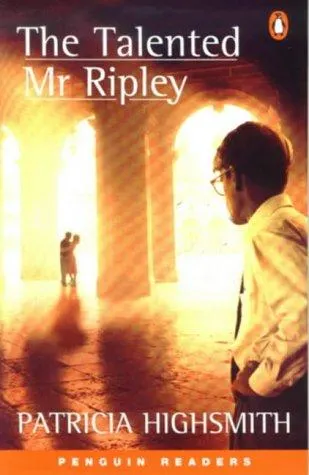
Tom Ripley begins as a precarious young man living by minor deceptions when a wealthy stranger offers him an unexpected opportunity. Highsmith’s triumph is the intimacy of her perspective: Tom’s calculations, humiliations, envies, and improvisations become so absorbing that the reader repeatedly catches up with the moral horror only after accepting his logic.
Readers who admired how A Simple Plan erases the comforting boundary between decent people and criminals will recognize the effect. Highsmith’s prose is cool where Smith’s is stark, and her suspense comes less from sudden shocks than from inhabiting a mind that can convert panic into ingenuity. Tom became her most enduring creation across five novels, but this first book remains the essential one—a landmark of psychological suspense that feels dangerous because it makes complicity pleasurable.