Author
Books like Rose Macaulay
3 books we recommend to Rose Macaulay readers, drawn from The Towers of Trebizond — each with the reason why.
If you loved The Towers of Trebizond
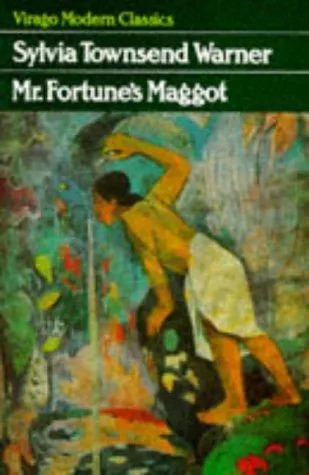
A mild English clergyman travels to a remote Pacific island intending to convert its sole community, and Warner immediately begins testing the vanity hidden inside his gentleness. Like Macaulay, she can make missionary zeal look ridiculous without treating belief itself as ridiculous.
This exquisite short novel moves almost imperceptibly from comedy into spiritual crisis. Its great subject is the painful difference between loving another person and needing that person to confirm one’s idea of oneself—the same moral pressure that gives The Towers of Trebizond its force beneath the camel, the hats and Aunt Dot’s pronouncements. Warner’s irony is delicate, anti-imperial and finally devastating. Long cherished as a neglected classic, Mr Fortune’s Maggot is the rare book whose modest size only makes its emotional reach seem more miraculous.
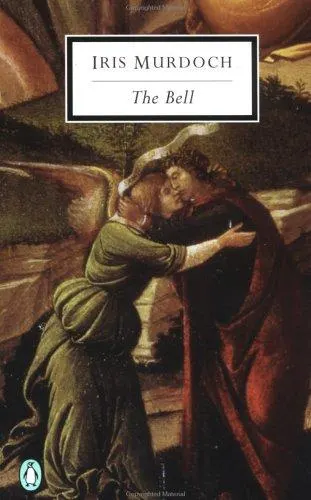
Dora Greenfield, impulsive, unhappy and sharply conscious of her own absurdity, returns to her estranged husband at a lay religious community beside an enclosed convent. Around her, lofty aspirations collide with desire, jealousy, vanity and muddle.
Murdoch shares Macaulay’s fascination with faith as something lived badly by complicated people. The comedy is social and exact—earnest conversations, small hypocrisies, disastrous good intentions—but it keeps opening onto harder questions about freedom, guilt and whether moral clarity can survive self-deception. One of the early novels that established Murdoch’s formidable reputation, The Bell is both compulsively readable and philosophically alive. Anyone haunted by Laurie’s divided heart will recognize the territory, while discovering an entirely different and unforgettable cast of sinners.
Ninety-two-year-old Marian Leatherby is nearly deaf, magnificently matter-of-fact and about to be sent by her family to an institution. A friend gives her a hearing trumpet, and the respectable world promptly reveals itself as far stranger than anyone had admitted.
Read this for the side of The Towers of Trebizond that delights in fearless tonal leaps: deadpan domestic comedy, eccentric women, theological speculation and visionary extravagance all occupying the same page without apology. Carrington’s surrealism is not decorative whimsy; it overturns conventional ideas about sanity, age, authority and spiritual knowledge. The Hearing Trumpet has become a cult classic because readers feel liberated by its refusal to behave. It is wild, funny and genuinely numinous—the sort of novel that makes ordinary reality seem disappointingly narrow afterward.