Author
Books like Robert Tressell
3 books we recommend to Robert Tressell readers, drawn from The Ragged-Trousered Philanthropists — each with the reason why.
If you loved The Ragged-Trousered Philanthropists
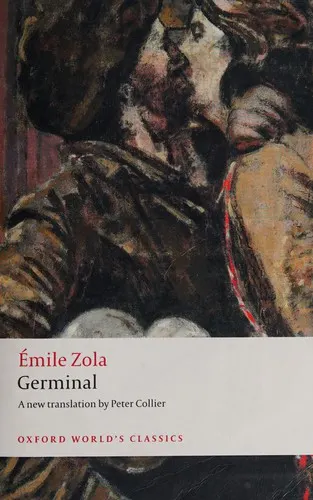
Like Tressell, Zola makes exploitation tangible: it is felt in exhausted bodies, household budgets, dangerous work and the humiliations that bind a community together. His miners are neither decorative victims nor uncomplicated heroes; hunger, pride, resentment and political hope pull them in conflicting directions.
Germinal has become the great miners’ novel because its scale is epic without sacrificing intimate human truth. Its anger gathers slowly, until individual misery becomes collective consciousness. If you loved watching Tressell reveal that poverty is produced rather than accidental, Zola’s masterpiece is indispensable.
Kobayashi strips the workplace novel to its rawest essentials. On a floating crab cannery, impoverished labourers endure punishing quotas, violent discipline and the knowledge that every safeguard has been subordinated to profit. The workers are treated as interchangeable—and Kobayashi answers by making their awakening, rather than any single hero, the centre of the book.
This classic of Japanese proletarian literature has the blunt force of Tressell’s arguments and the same faith that understanding the system is the beginning of resisting it. Its unexpected return to Japanese bestseller lists during the age of insecure employment confirmed how little its fury had dated. It is short, relentless and difficult to forget.
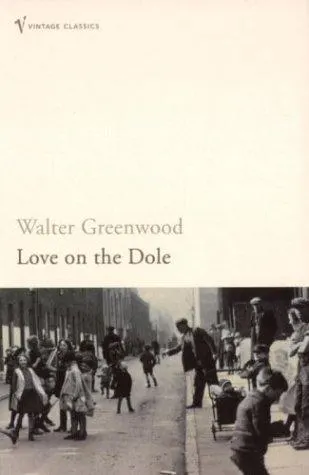
Greenwood brings Tressell’s social vision into Depression-era Salford, where unemployment invades courtship, family loyalty, self-respect and every small hope for the future. What makes the novel so affecting is its crowded vitality: neighbours gossip, joke, quarrel and scheme even while the means of an ordinary decent life are being withheld from them.
Published in 1933, it became one of the defining British novels of the Depression, precisely because Greenwood wrote from inside the world he depicted. Readers who cherish Tressell’s humour, indignation and refusal to sentimentalize working people will recognize a close relative here—one whose tenderness makes its political charge cut even deeper.