Author
Books like Rita Williams-Garcia
3 books we recommend to Rita Williams-Garcia readers, drawn from One Crazy Summer — each with the reason why.
If you loved One Crazy Summer

The deepest resemblance is not the civil-rights-era setting but the marvelous family comedy. Kenny Watson narrates his parents’ eccentricities and his older brother Byron’s misbehavior with the same mixture of exasperation, affection, and sharp observation that Delphine brings to Vonetta and Fern.
Curtis lets laughter and gathering unease occupy the same story without cheapening either. History is experienced through one particular family rather than delivered as a lesson. A Newbery and Coretta Scott King Honor book, it has become a modern classic because its hilarious opening chapters make its later emotional force feel intensely personal.
Malú is dragged to a new city by her mother, whom she privately calls SuperMexican, and responds by making zines, embracing punk, and refusing every tidy definition of who she ought to be. Like Delphine, she has a skeptical eye, a stubborn moral core, and a difficult relationship with a mother whose demands cannot simply be dismissed.
The illustrated zine pages make creativity part of the storytelling, much as poetry and performance matter in One Crazy Summer. Pérez’s Pura Belpré Honor novel is irreverent, energetic, and unusually good at showing rebellion becoming community rather than mere attitude. Malú’s voice is hard to leave behind.
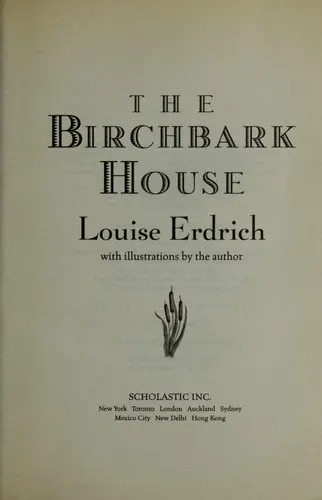
Erdrich centers history on Omakayas, a young Ojibwe girl whose world is made vivid through chores, games, stories, seasonal work, and the shifting alliances of siblings. Her family members are never symbols: they are irritating, funny, capable, frightened, and deeply loved. That lived-in intimacy will be instantly recognizable to anyone who treasured the Gaither sisters.
A National Book Award finalist and the beginning of an acclaimed series, The Birchbark House also shares Williams-Garcia’s refusal to separate large historical forces from ordinary childhood. Erdrich’s prose is quieter and more spacious, but her achievement is equally radical: she lets a girl’s daily life become the authoritative center of history.