Author
Books like Richard Hughes
3 books we recommend to Richard Hughes readers, drawn from A High Wind in Jamaica — each with the reason why.
If you loved A High Wind in Jamaica
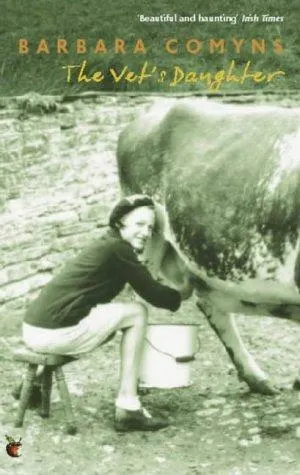
Alice lives above her father’s veterinary surgery, surrounded by caged animals and casual brutality, and recounts her predicament in prose so plain that its horrors initially seem almost ordinary. Like Hughes, Comyns trusts an apparently innocent voice to reveal more than it understands—and much that respectable adults prefer not to see.
The novel’s peculiar power lies in its balance of fairy tale, black comedy, and genuine menace. Nothing is prettified, yet the book never becomes ponderously grim; the uncanny arrives with the matter-of-factness of weather. Long cherished as a cult classic and repeatedly rescued by discerning publishers, it is one of those short novels whose strange atmosphere remains lodged in the mind for years.
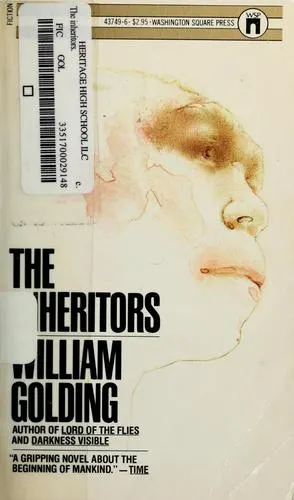
Golding places the reader inside minds that organize reality through sensation, intuition, and communal feeling rather than familiar adult logic. The prose itself learns to perceive differently: smells, shapes, fears, and half-formed ideas carry meanings the characters cannot articulate. A reader fascinated by Hughes’s children—so observable and yet so fundamentally foreign—will recognize the same exhilarating estrangement.
Often judged Golding’s finest novel, The Inheritors is subtler and more formally audacious than Lord of the Flies. Its deepest shocks come not from spectacle but from the gap between what its characters experience and what the reader gradually comprehends. Few novels so completely alter the moral meaning of intelligence, innocence, and civilization.
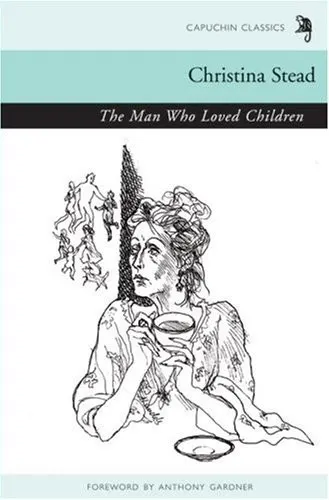
The Pollit household is a whole civilization at war. Sam, the expansively loving father, turns charm, stories, and private language into instruments of domination; Henny, his furious wife, answers with a destructive eloquence of her own. Around them, the children form shifting alliances and absorb adult passions without interpreting them as adults expect.
Stead shares Hughes’s gift for making family life anthropological: affectionate rituals become grotesque, comedy opens suddenly onto terror, and no reassuring boundary separates childish play from consequential cruelty. Her language is more torrential than Hughes’s, but equally alert to verbal mimicry and self-deception. Neglected after its 1940 publication, the novel was famously restored to view by Randall Jarrell and has since become a fiercely admired classic. It is long, clamorous, and exhausting—and its family may become more real to you than people you know.