Author
Books like R. C. Sherriff
6 books we recommend to R. C. Sherriff readers, drawn from The Fortnight in September and The Hopkins Manuscript — each with the reason why.
If you loved The Fortnight in September
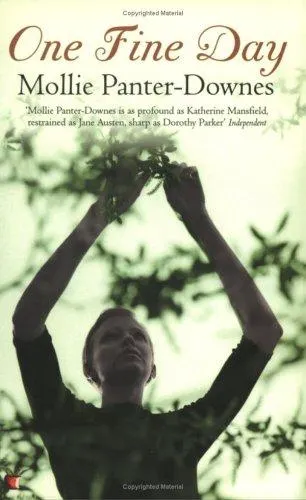
On a summer day in 1946, Laura Marshall moves through household chores, village errands and family tensions while registering how completely the war has altered English life. Panter-Downes gives practical details the same revelatory power Sherriff gives packed suitcases, railway timetables and meals: each minor inconvenience exposes a vanished certainty or a newly possible freedom.
Now prized as a neglected classic of postwar fiction, the novel is exquisitely alert to atmosphere, social embarrassment and unspoken feeling. Its single ordinary day contains an entire historical transformation, yet it remains intimate, warm and wonderfully readable.
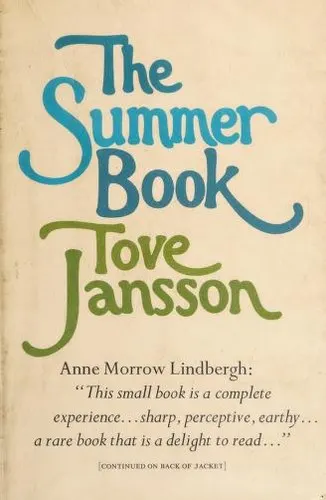
An elderly artist and her young granddaughter spend the summer on a small Finnish island, arguing, inventing games, studying the weather and testing one another’s independence. Jansson understands, as Sherriff does, that holidays are made memorable not by grand incidents but by private rituals, fleeting irritations and the sharpened awareness that the season cannot last.
Best known initially as the creator of the Moomins, Jansson is now equally revered for this spare adult novel. Its short chapters are funny, unsentimental and piercingly alive to rocks, moss, storms and silences. Few books make companionship—or summer itself—feel so precious.
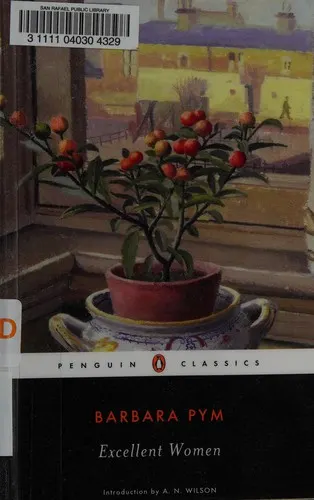
Mildred Lathbury is the sort of capable unmarried woman whom everyone expects to arrange the tea, soothe awkwardness and solve practical problems without having needs of her own. Her new neighbours and the local clergy provide modest disturbances, but the real pleasure lies in Pym’s exact calibration of manners: a badly timed remark or an unwanted confidence can carry the force of high drama.
Readers who loved Sherriff’s affectionate attention to ordinary people will recognize the same refusal to condescend. Pym is sharper and funnier, with an unmatched ear for self-deception, yet her irony protects rather than diminishes her characters. Philip Larkin helped champion her return from neglect, and this remains the novel that turns many readers into devoted Pym enthusiasts.
If you loved The Hopkins Manuscript
Decades after humanity becomes infertile, an aging couple travel through an England empty of children and slowly reverting to wilderness. Aldiss shares Sherriff’s gift for reducing apocalypse to intimate, peculiarly English details: river journeys, shabby improvisations, old grievances, rumors, and flashes of absurd pageantry.
One of Aldiss’s most admired novels, Greybeard is neither a survival manual nor a spectacle of ruin. It is a pastoral elegy—funny, strange, and painfully alert to how people continue performing their familiar roles after the world that gave those roles meaning has disappeared. Anyone moved by Sherriff’s contrast between cosmic catastrophe and small human vanity should find this unforgettable.
Čapek begins with the discovery of intelligent newts and then lets commerce, journalism, nationalism, and scientific self-importance take over. The kinship with Sherriff lies in the method: catastrophe is not merely inflicted on humanity; humanity diligently organizes, advertises, rationalizes, and profits from it.
Told through reports, headlines, minutes, footnotes, and competing public voices, this 1936 classic makes an entire civilization sound as comically self-deceiving as Edgar Hopkins. Yet its wit steadily acquires menace. Čapek’s satire remains startling because every institution behaves plausibly and almost everyone can explain why disaster is somebody else’s responsibility.
In a monastery centuries after a technological civilization destroyed itself, monks preserve scraps of the lost world whose meanings they barely understand. Miller turns the remnants of ordinary life into relics, arguments, jokes, and objects of reverence—an inspired extension of the historical irony that frames Hopkins’s supposedly important manuscript.
Winner of the Hugo Award and now a landmark of post-apocalyptic fiction, the novel combines intellectual scope with dry comedy and genuine spiritual gravity. Its long view of civilization asks whether knowledge can save people who remain vain, fearful, and politically shortsighted. Like Sherriff, Miller can make human pretension ridiculous without making humanity contemptible; that difficult compassion is what gives the book its lasting force.